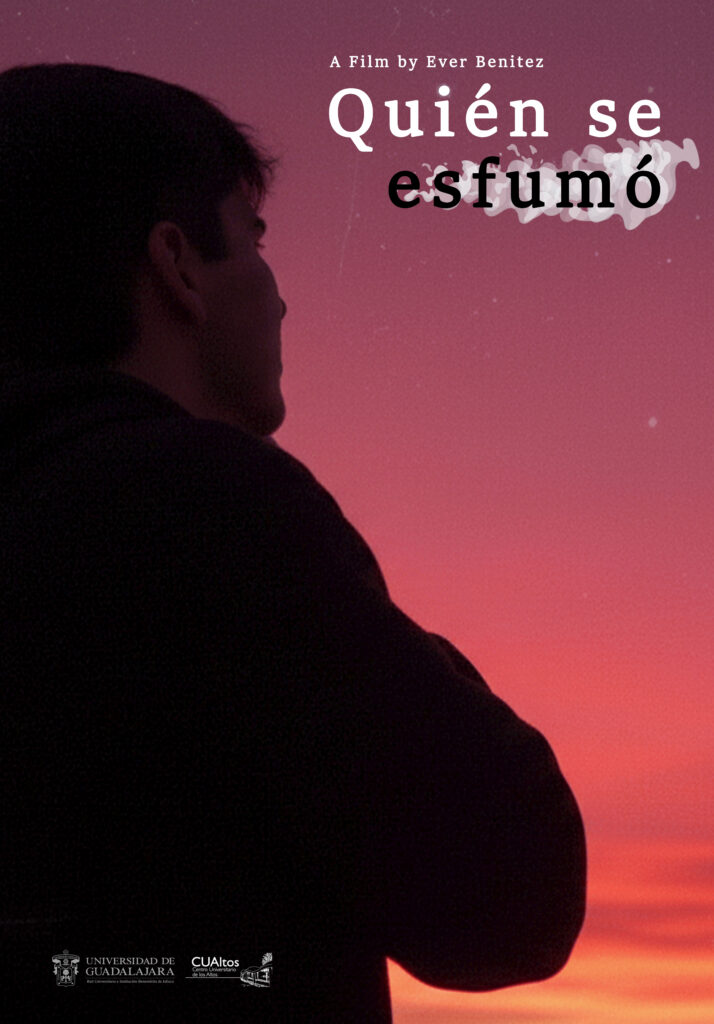
“Atrapado en su universidad vacía, un estudiante debe elegir: aferrarse a los recuerdos o confrontar la soledad”.
“Trapped in his empty university, a student must choose: cling to memories or confront the loneliness”.
Sinopsis
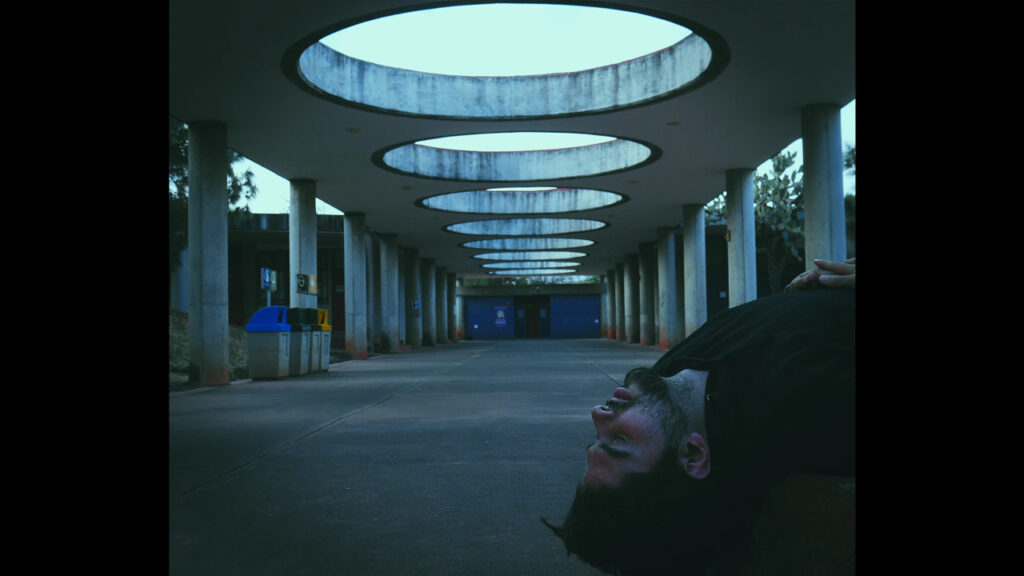
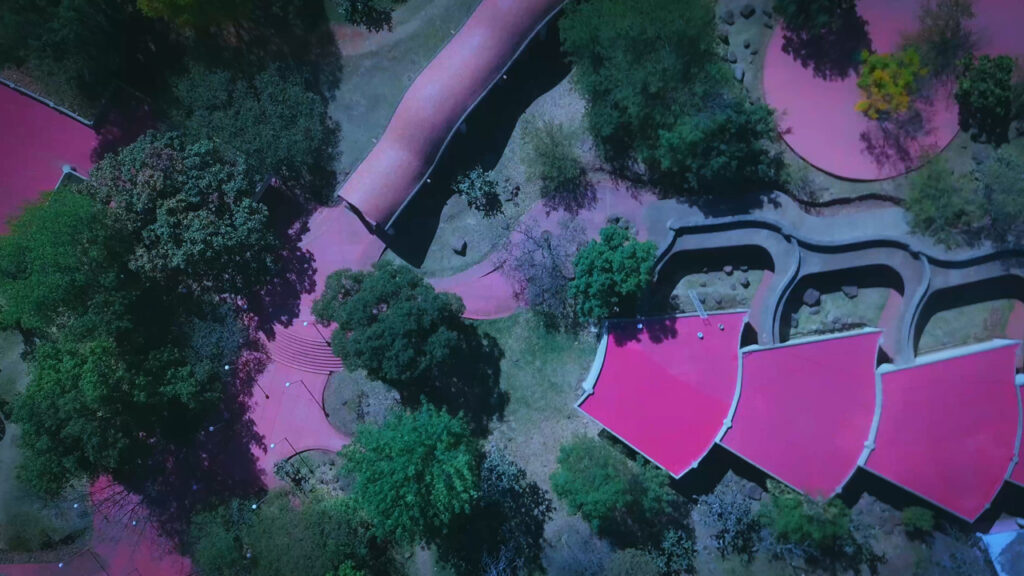
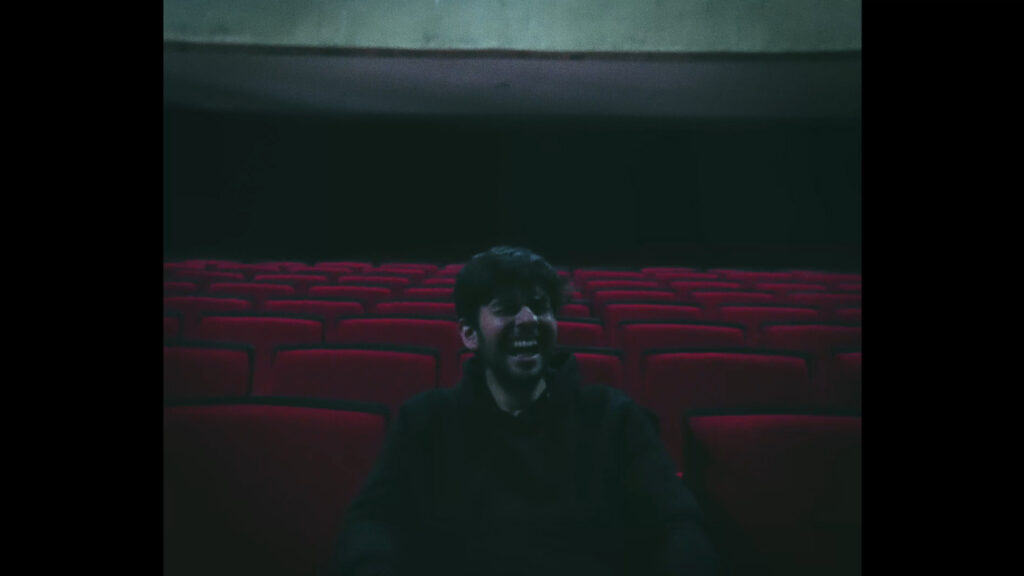
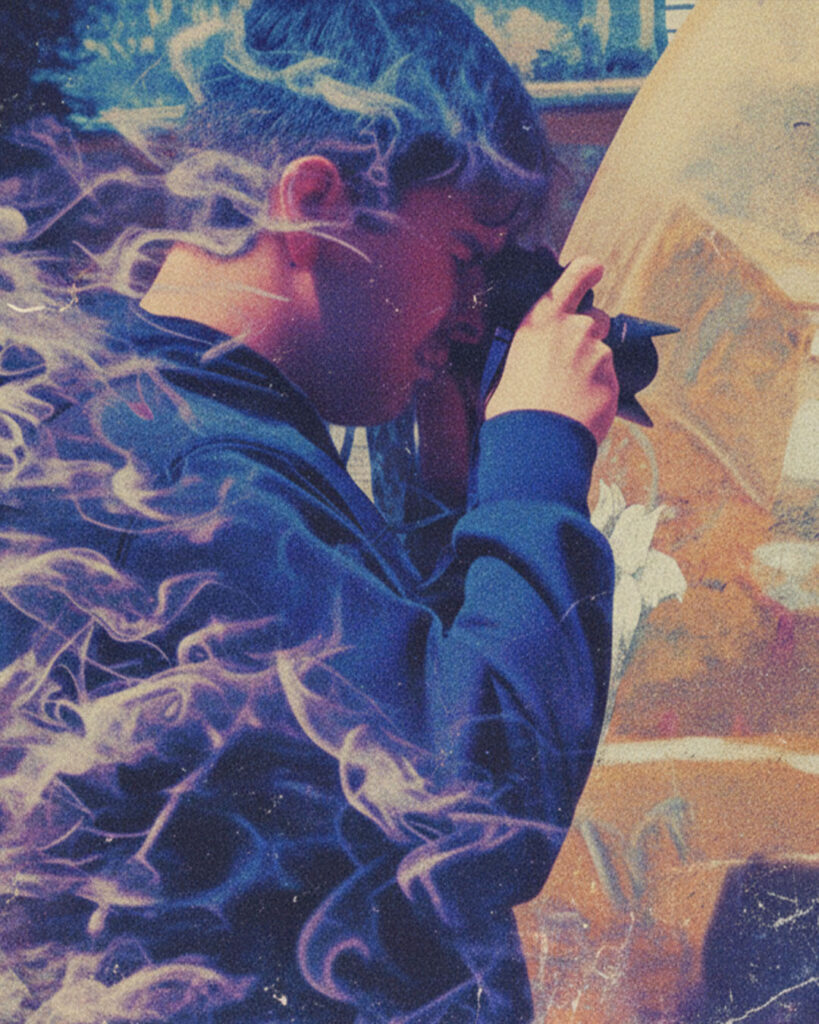
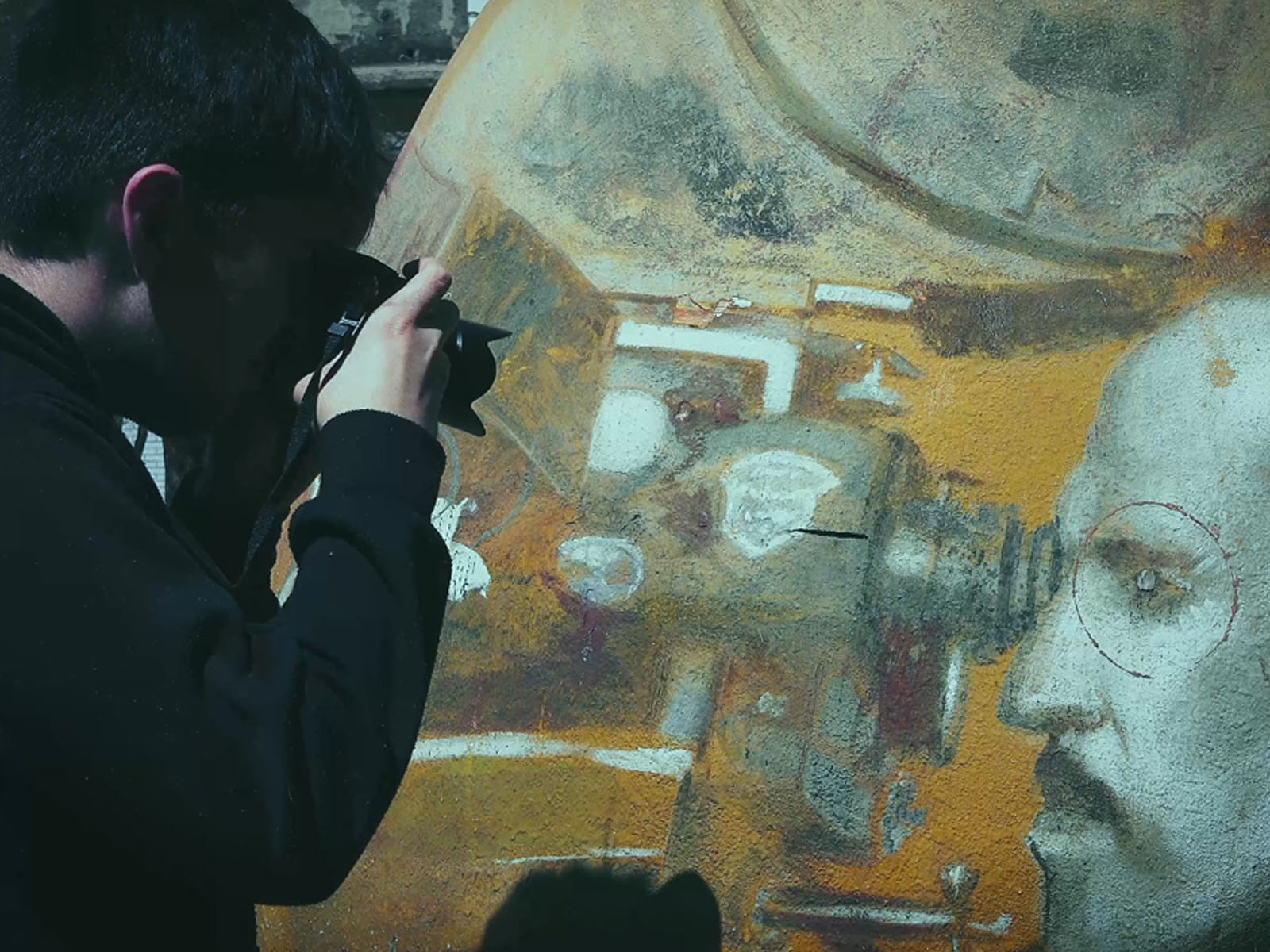
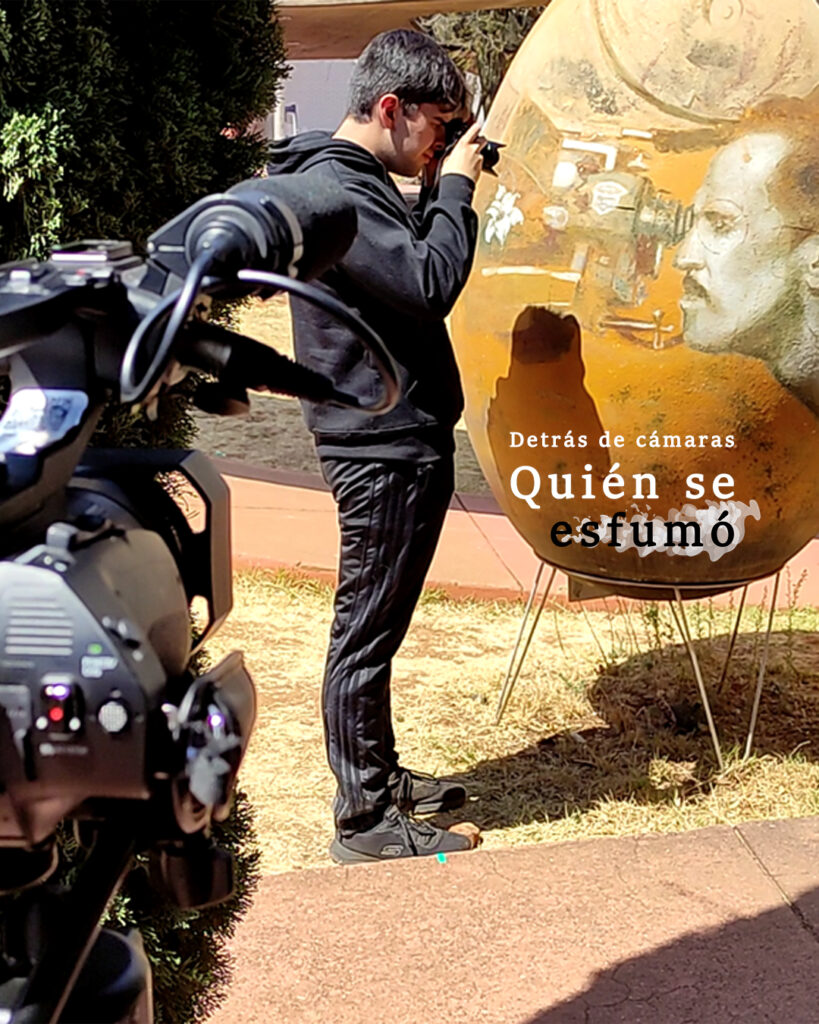
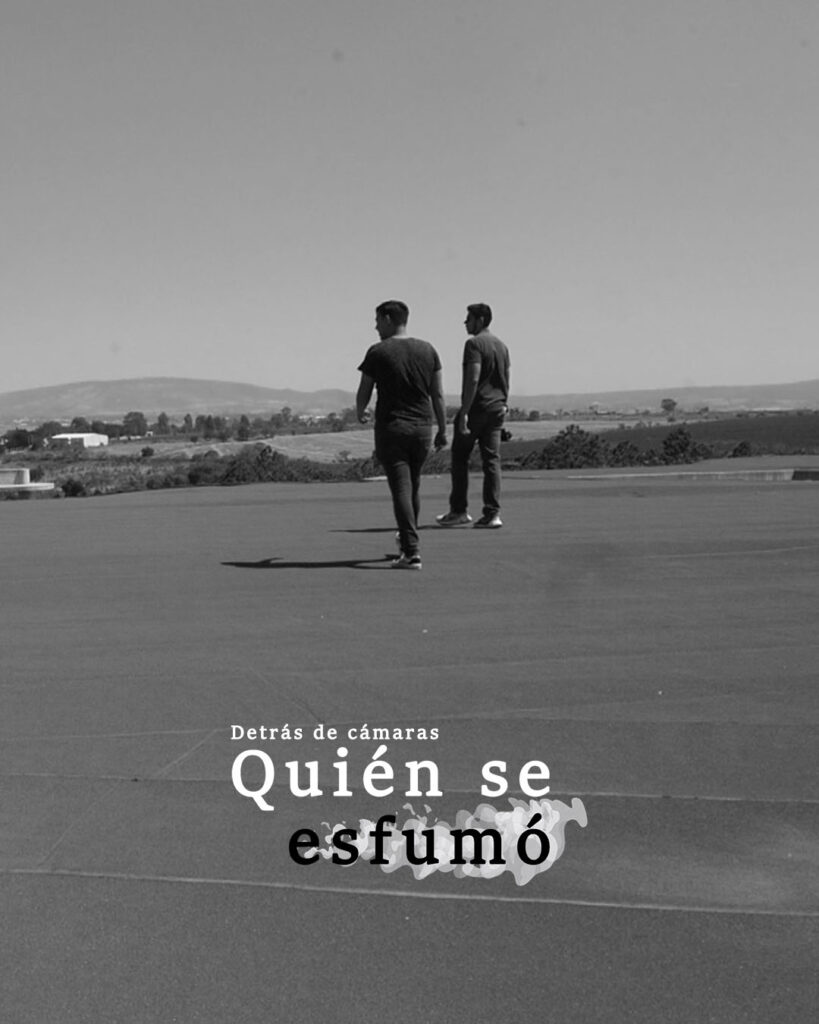
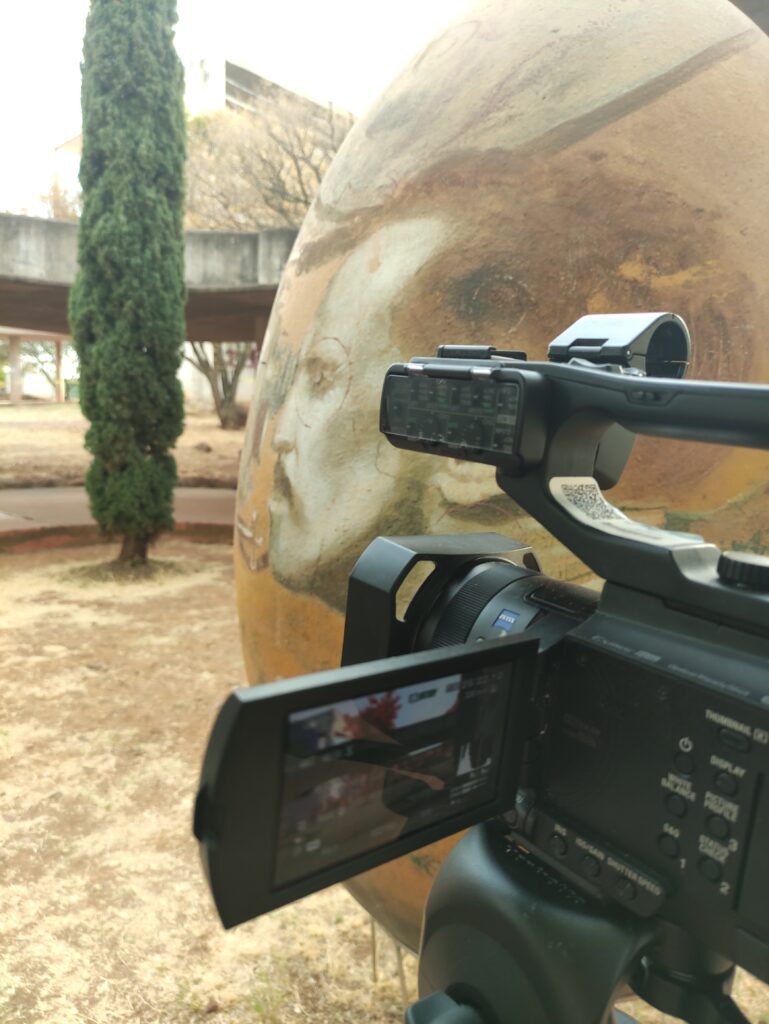
ESTEBAN (22), un estudiante universitario, se encuentra en una versión alterna de su universidad: un lugar completamente vacío y silencioso. Atrapado, deambula con su cámara y le confiesa sus miedos a una peculiar estatua de huevo.
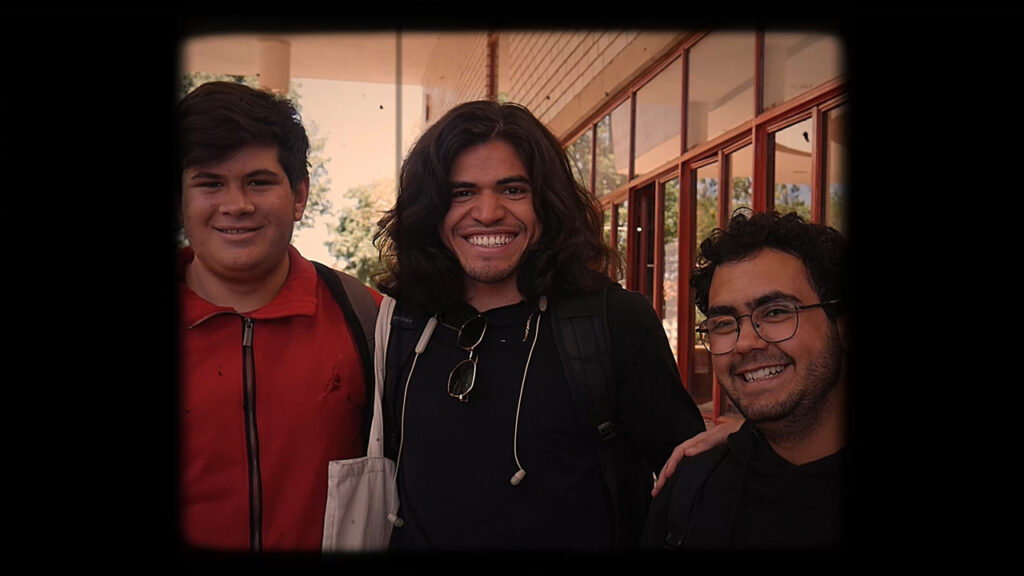
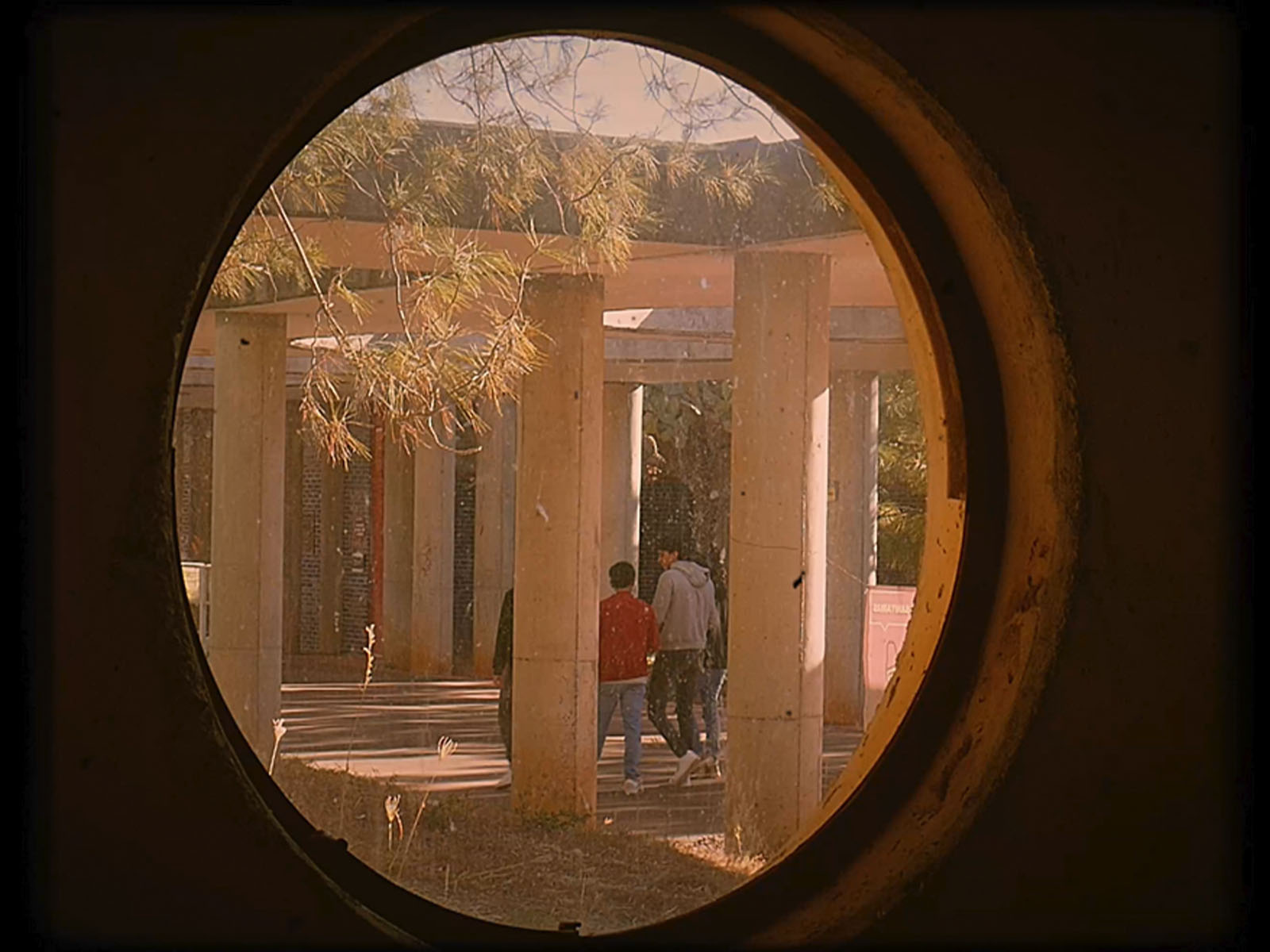
Mientras explora el campus desierto, es atormentado por flashbacks de los momentos felices que filmó con sus amigos, contrastando la vida del pasado con el silencio del presente. Este viaje lo lleva a una pregunta inquietante: ¿fueron sus amigos quienes lo olvidaron, o tal vez… fue él quien se esfumó? Esteban deberá confrontar la naturaleza de su soledad antes de que ese lugar vacío lo consuma por completo.
Synopsis
ESTEBAN (22), a university student, finds himself in an alternate version of his university: a completely empty and silent place. Trapped, he wanders with his camera and confesses his fears to a peculiar egg statue.
As he explores the deserted campus, he is haunted by flashbacks of the happy moments he filmed with his friends, contrasting the life of the past with the silence of the present. This journey leads him to a haunting question: were his friends the ones who forgot him, or perhaps… was he the one who vanished? Esteban must confront the nature of his loneliness before that empty place consumes him completely.
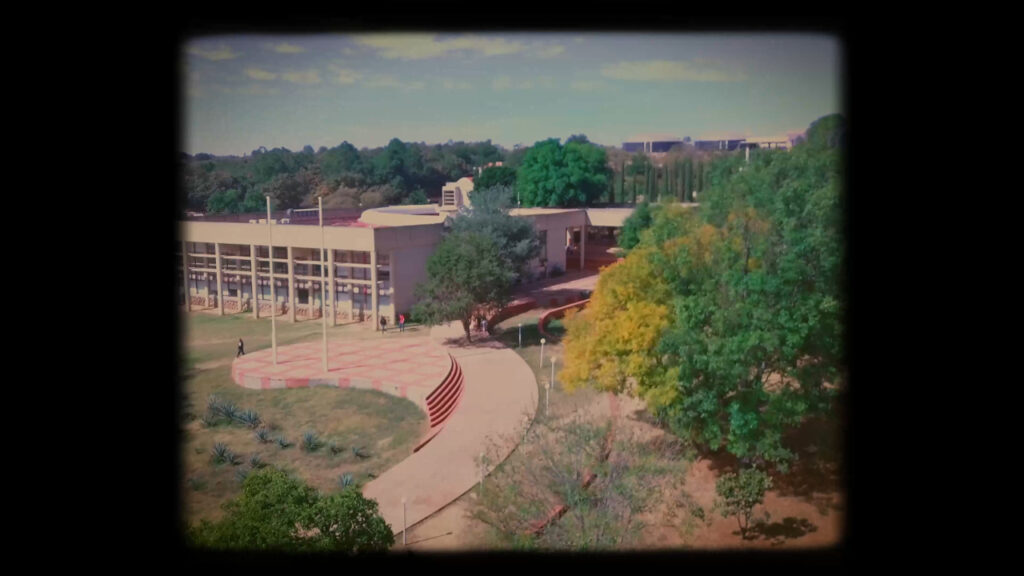
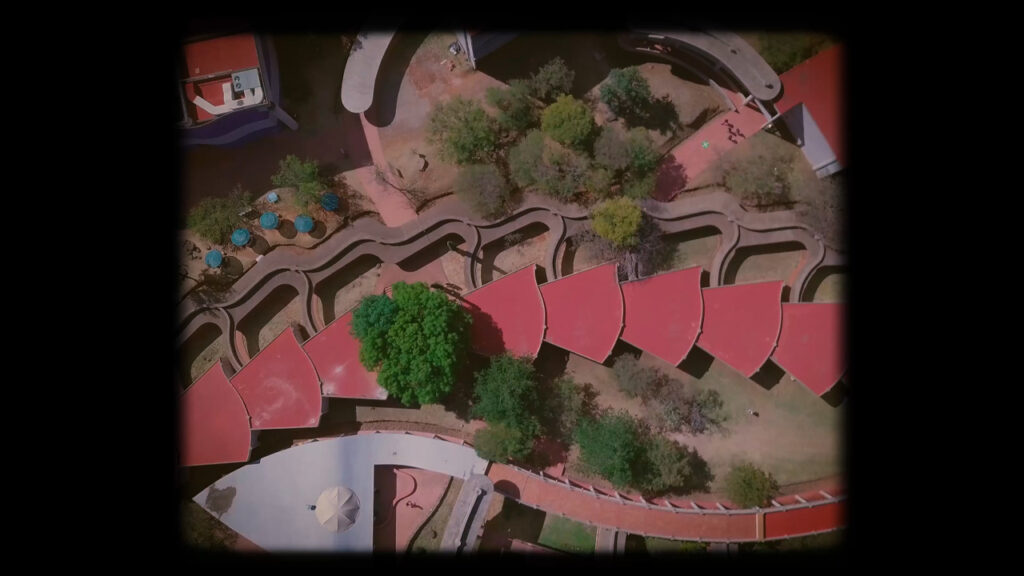
Fotogramas / Stills
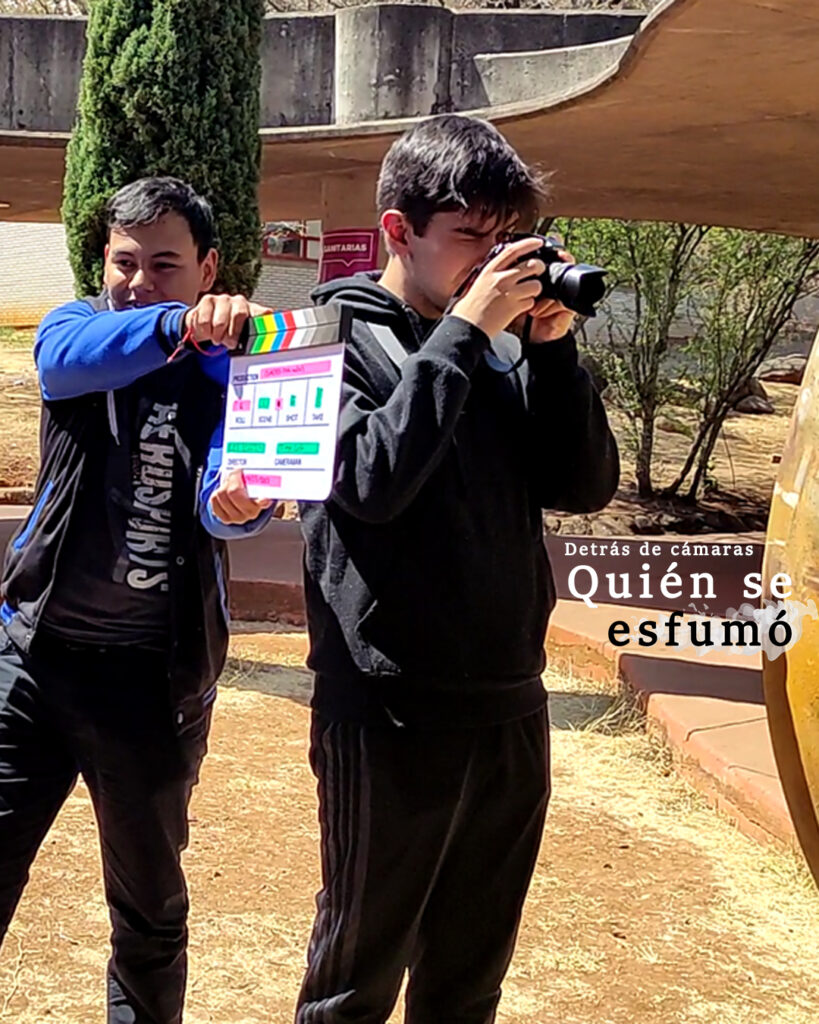
Crew / Equipo
Writer/Director/Editor | Guion, Dirección y Edición: MISTER DUXER
Producer | Productores: DIEGO LEÓN, EVER BENITEZ
Continuous | Continuista: JOEL BECERRA
Sound | Sonido: DIEGO LEON
Cinematography | Director de Fotografía: EVER BENITEZ
Cinematography Assistant | Asistente de Fotografía: DIEGO LEÓN
Cast / Elenco
ESTEBAN: CHARLY GUTRUV
ESTUDIANTES: TODOS LOS ESTUDIANTES DE CUALTOS QUE PARTICIPARON COMO EXTRAS EN ESTE CORTOMETRAJE
STUDENTS: ALL THE STUDENTS FROM CUALTOS WHO PARTICIPATED AS EXTRAS IN THIS SHORT FILM
Music / Música
Calling on the Hill – Moorland Songs, Fay in Mist – Magnus Ludvigsson
El cortometraje explora el fin de una etapa y el comienzo de una nueva. A Esteban, como a muchos de nosotros, le cuesta aceptar que, aunque es el mismo lugar, la vida que lo llenaba ya no está. Le surgen miedos que no vienen de él, sino de una idea social: es mejor aferrarse a los momentos felices del pasado que aceptar el presente, porque implica reconocer que está solo en un lugar tan inmenso.
Se nos dice que valoremos los momentos felices del pasado, lo cual, no estoy de acuerdo. Existe una plenitud mayor cuando se avanza a una nueva etapa, pero exige un sacrificio: soltar el pasado, dejarlo esfumarse y permitirnos, finalmente, fascinarnos con la realidad que vivimos día a día.
“Quién se esfumó” nace de mi propia etapa universitaria. Me fui de intercambio y, al regresar, nada era igual. Mis amigos compartían momentos de los que ya no era parte; no estaba en sintonía.
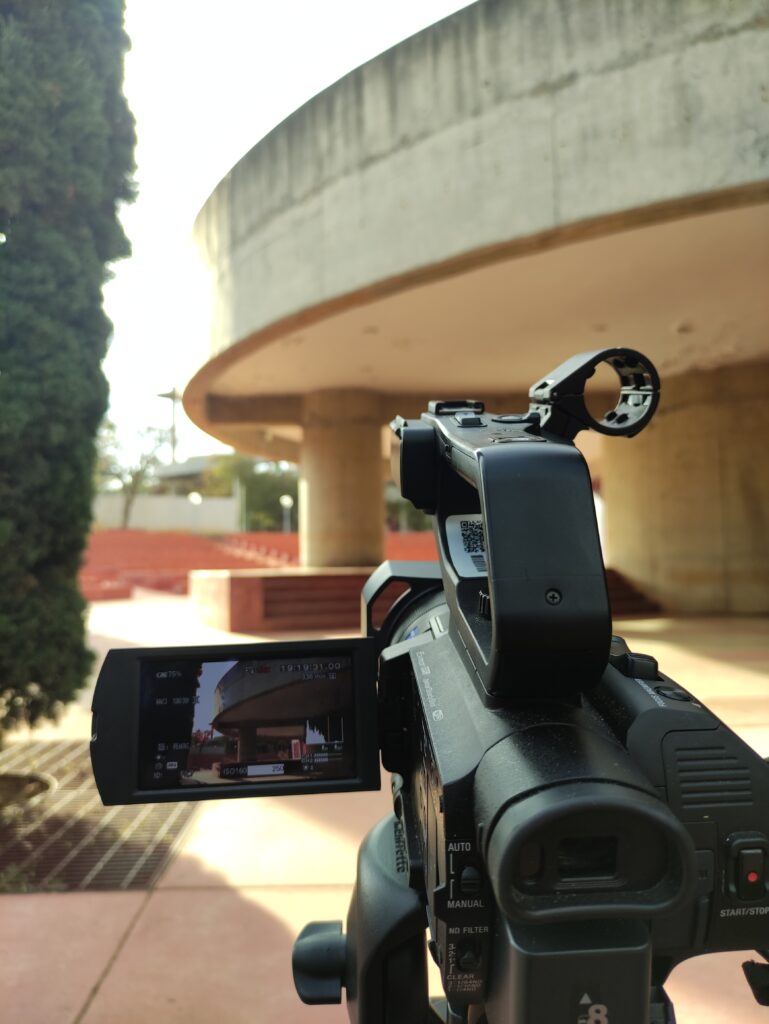
Sumado a esto, comencé mi servicio social en el departamento de CTA, donde me dieron la total libertad de filmar la vida universitaria. Me cautivó y fascinaron las perspectivas que encontraba; documenté estudiantes, espacios y pasillos durante día, tarde y noche en dos años consecutivos.
Irónicamente, mientras más filmaba, más me aislaba de mi salón de clases. Me convertí en un observador. Esta película nació de cómo esos recuerdos con mis amigos y compañeros se fueron esfumando, pero aparecieron nuevos. Me fasciné de mi presente: filmaciones de estudiantes, espacios y pasillos de día, tarde y noche.
Eso es lo que le ocurre a Esteban. Se presiona a sí mismo con esta idea social, intentando aferrarse a los recuerdos de un campus lleno de vida. Conforme avanza la historia, Esteban descubre que hay que soltar y hacer las paces con su pasado, no para revivirlo, sino para aceptar que la única voz que importa es la suya, no la que dictamina la sociedad. Es así como el pasado “se esfuma” y se fascina con su presente.
A menudo quisiéramos volver a ese momento en que fuimos más felices. Sin embargo, no hay que vivir en recuerdos, hay que vivir para generarlos, fascinándonos de nuestro presente.
Director’s Notes
The short film explores the end of one chapter and the beginning of a new one. Esteban, like many of us, struggles to accept that, although it is the same place, the life that filled it is gone. Fears arise within him that do not stem from himself, but from a social notion: that it is better to cling to the happy moments of the past than to accept the present, because acceptance means acknowledging that he is alone in such a vast place.
We are told to cherish the happy moments of the past, something I disagree with. There is greater fulfillment in moving forward to a new stage, but it demands a sacrifice: letting go of the past, letting it vanish, and finally allowing ourselves to be fascinated by the reality we live every day.
‘Who vanished’ was born from my own time at university. I went on an exchange program, and when I returned, nothing was the same. My friends shared moments I was no longer a part of; I wasn’t in sync.
In addition to this, I began my social service at the CTA department, where I was given total freedom to film university life. The perspectives I found captivated and fascinated me; I documented students, spaces, and hallways during the day, afternoon, and night for two consecutive years.
Ironically, the more I filmed, the more I isolated myself from my class. I became an observer. This film was born from how those memories with my friends and classmates faded away, but new ones emerged. I became fascinated by my present: filming students, spaces, and hallways during the day, afternoon, and night.
That is what happens to Esteban. He pressures himself with this social notion, trying to cling to the memories of a campus full of life. As the story unfolds, Esteban discovers that he must let go and make peace with his past—not to relive it, but to accept that the only voice that matters is his own, not the one society dictates. That is how the past ‘vanishes,’ and he becomes fascinated by his present.
We often wish we could go back to that moment when we were happiest. However, we must not live in memories, we must live to create memories, becoming fascinated by our present.