“En memoria de los que han desaparecido y su familia… aún los sigue buscando”.
“In memory of those who vanished, and their families… who are still searching for them”.
Logline
“Mario, quien padece de sus facultades mentales deberá encontrar a los papás de Hugo quienes han desaparecido sin dejar rastro”.
“Mario, a mentally challenged man, faces the mission of finding Hugo’s parents after they vanish without a trace“.
Sinopsis
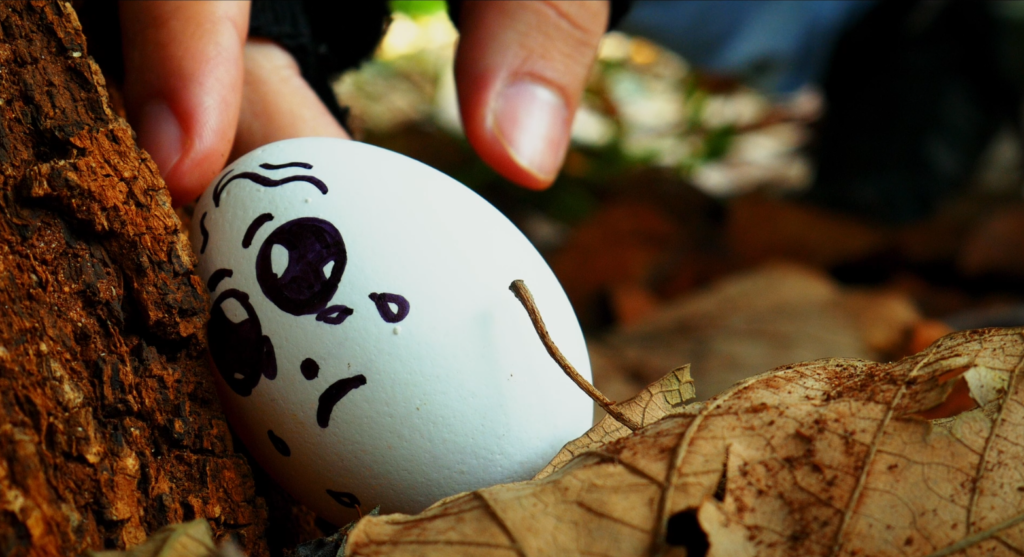
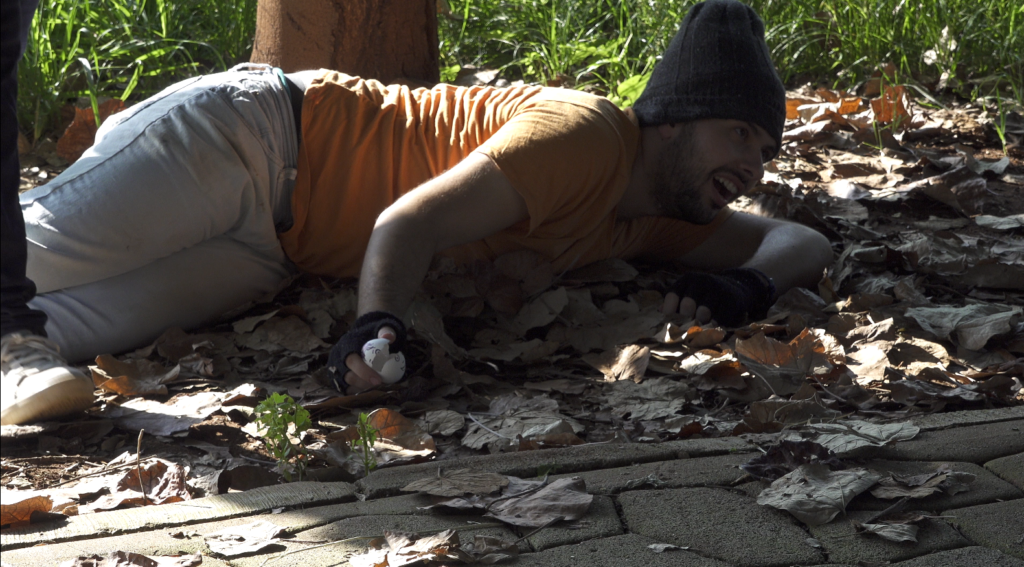
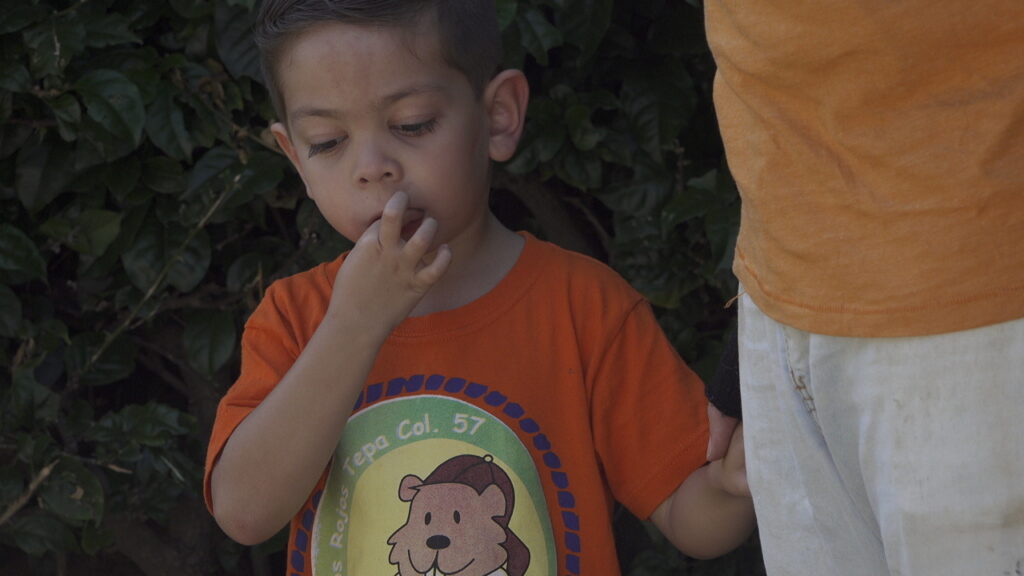
Mario (22), un hombre que vive en las calles , encuentra un pequeño huevo con una carita dibujada con marcador. En su mente fragmentada, este huevo se transforma en Hugo, un niño de nueve años que se ha perdido y busca desesperadamente a su familia.
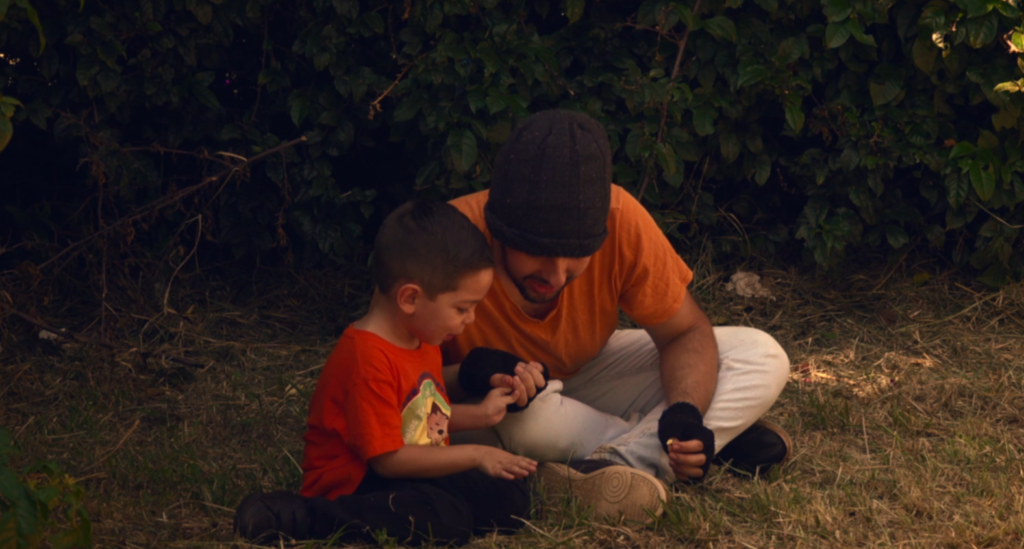
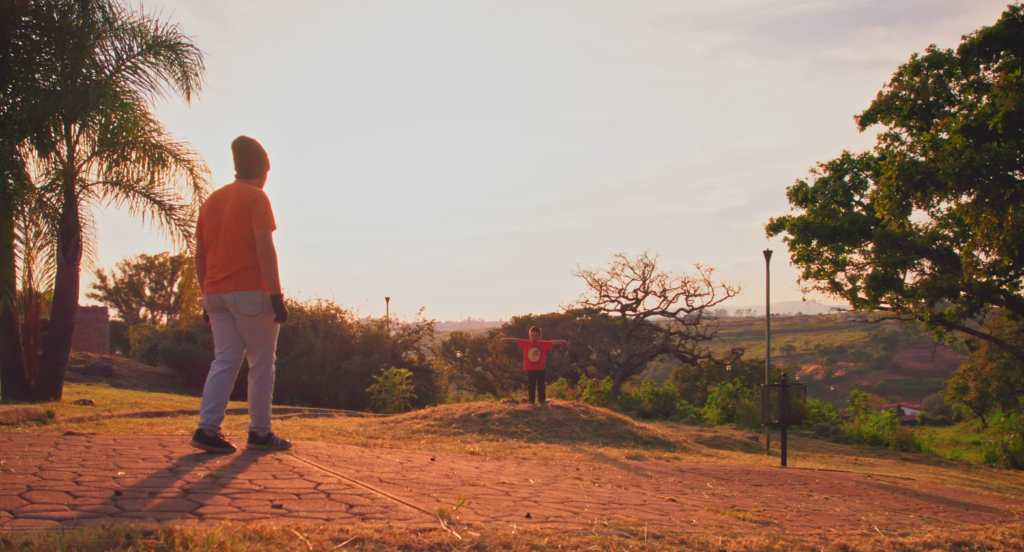
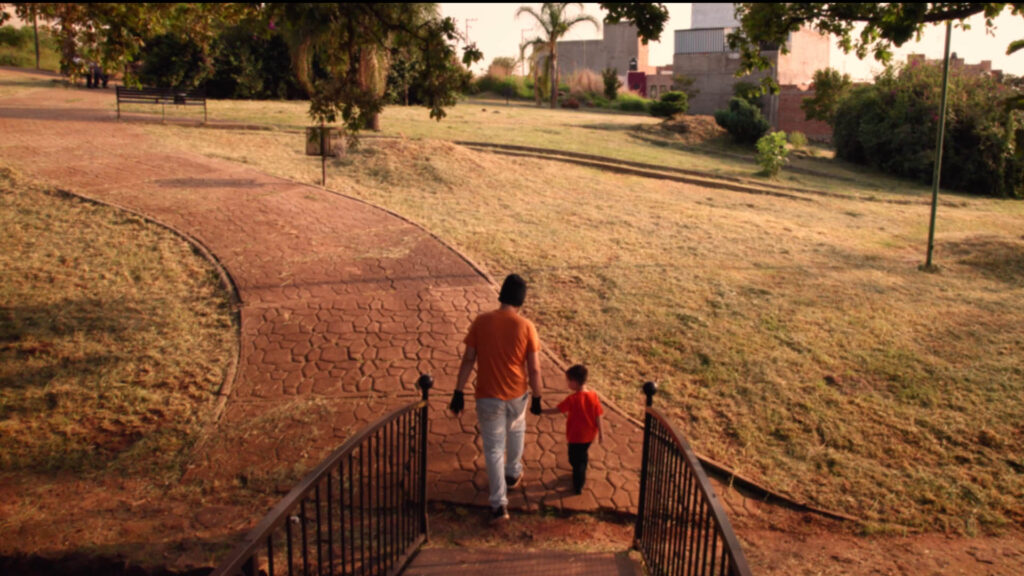
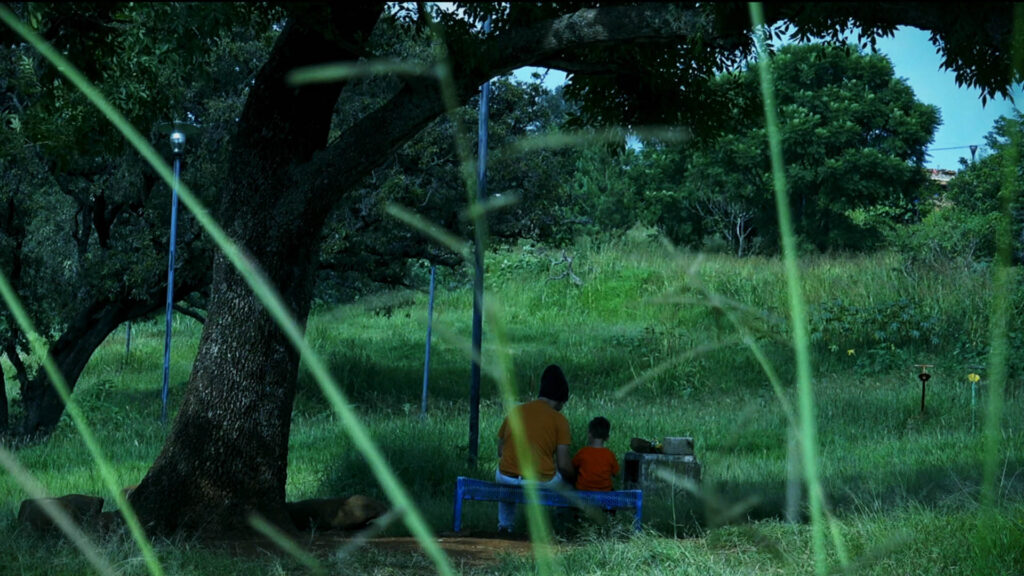
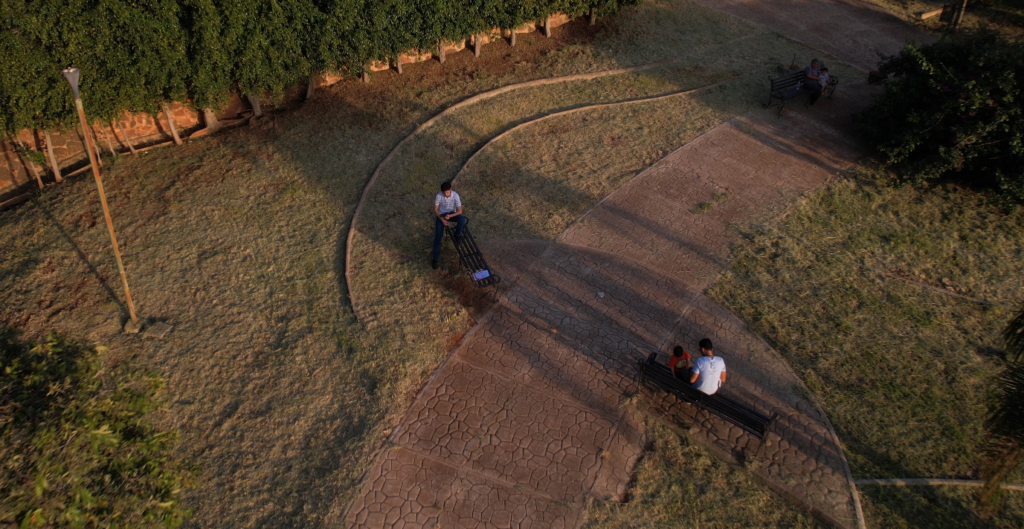
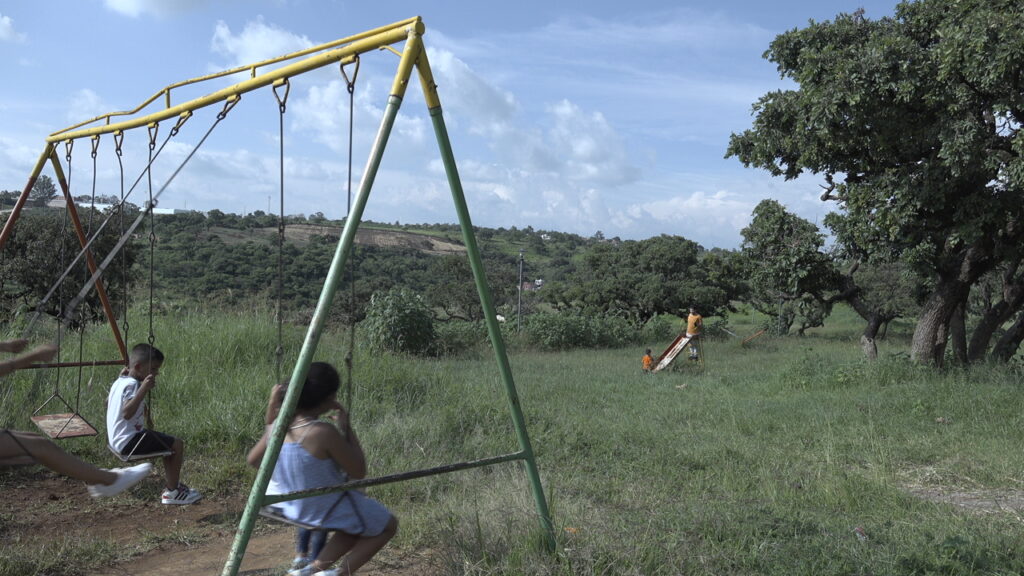
Mario se pone en marcha, preguntando a todas las personas que cruzan su camino en el parque. A través de su mirada, vemos una misión de rescate llena de nobleza; sin embargo, el resto del mundo solo ve a un hombre cargando un cascarón. Después de varios días, Mario se da por vencido y le confiesa a Hugo una dura verdad: él también está buscando a su familia, y por ahora, solo se tienen el uno al otro.
Synopsis
Mario (22), a man living on the streets, finds a small egg with a face drawn on it in marker. In his fragmented mind, this egg transforms into Hugo, a nine-year-old boy who is lost and desperately searching for his family.
Mario sets out, asking everyone who crosses his path in the park. Through his eyes, we see a rescue mission filled with nobility; however, the rest of the world sees only a man carrying an eggshell. After several days, Mario gives up and confesses a harsh truth to Hugo: he, too, is searching for his family, and for now, they only have each other.
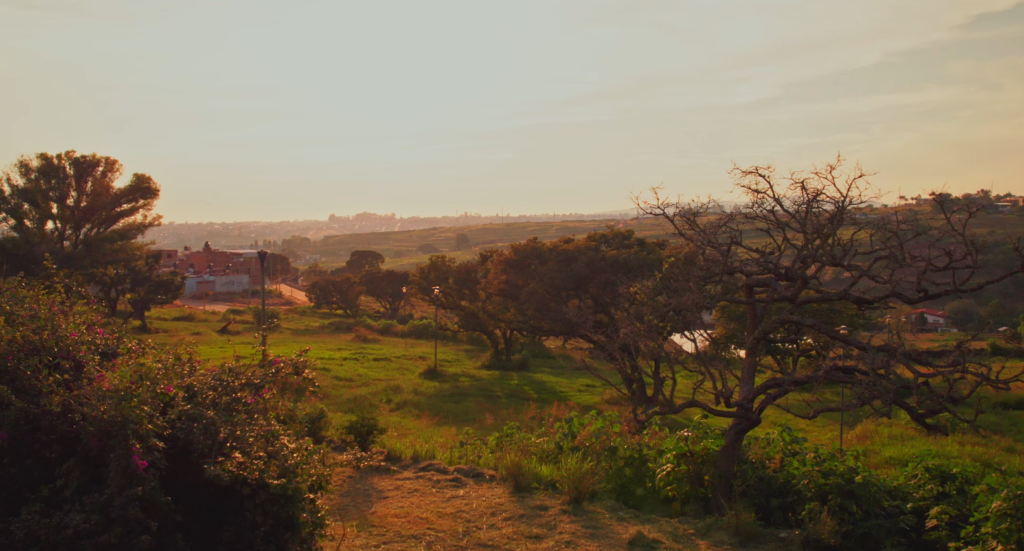
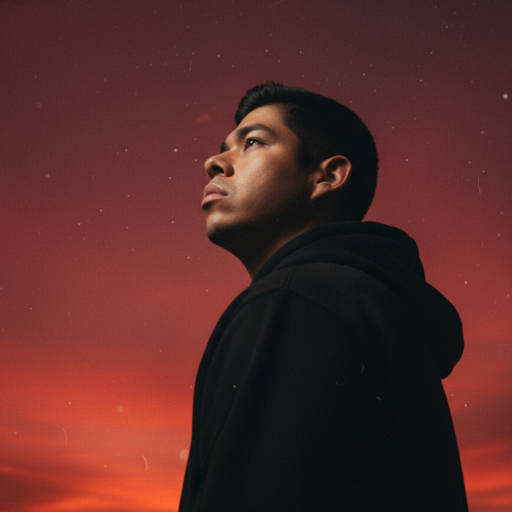
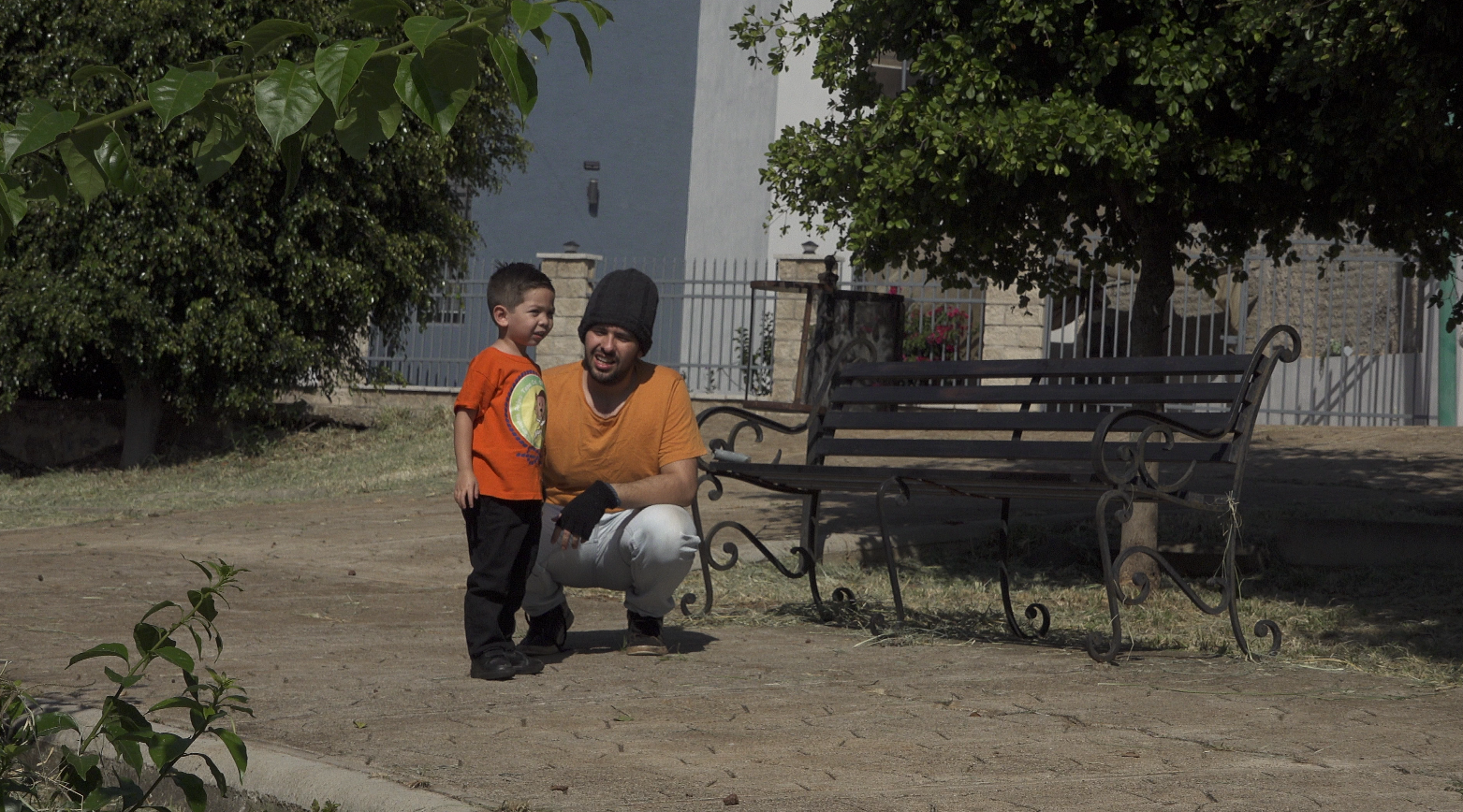
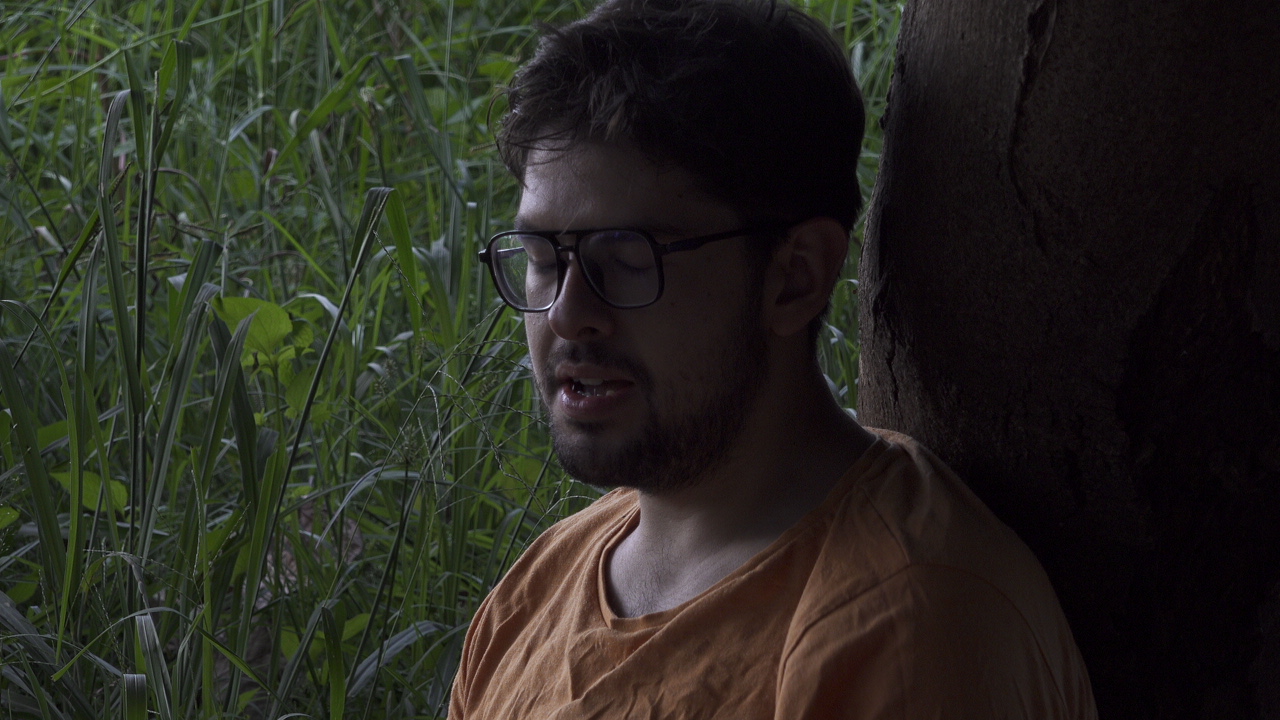
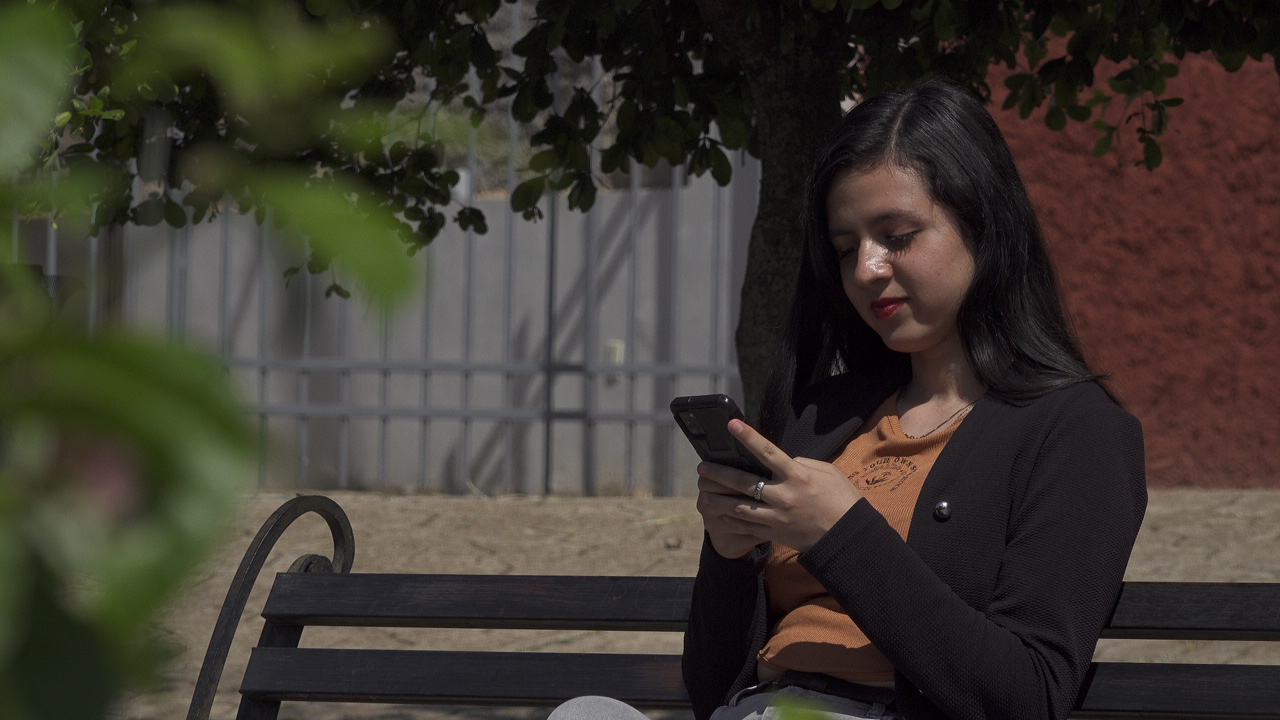
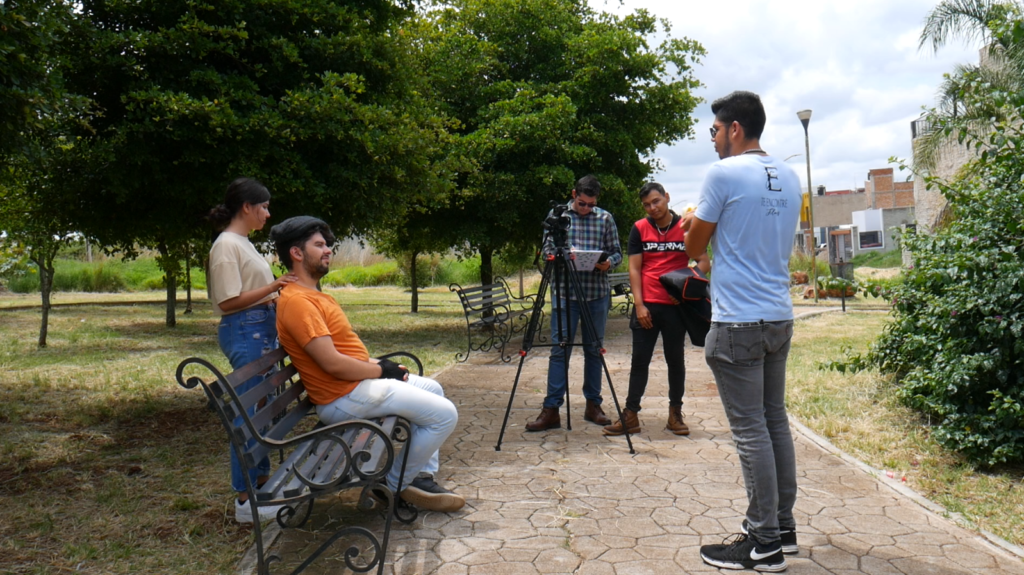
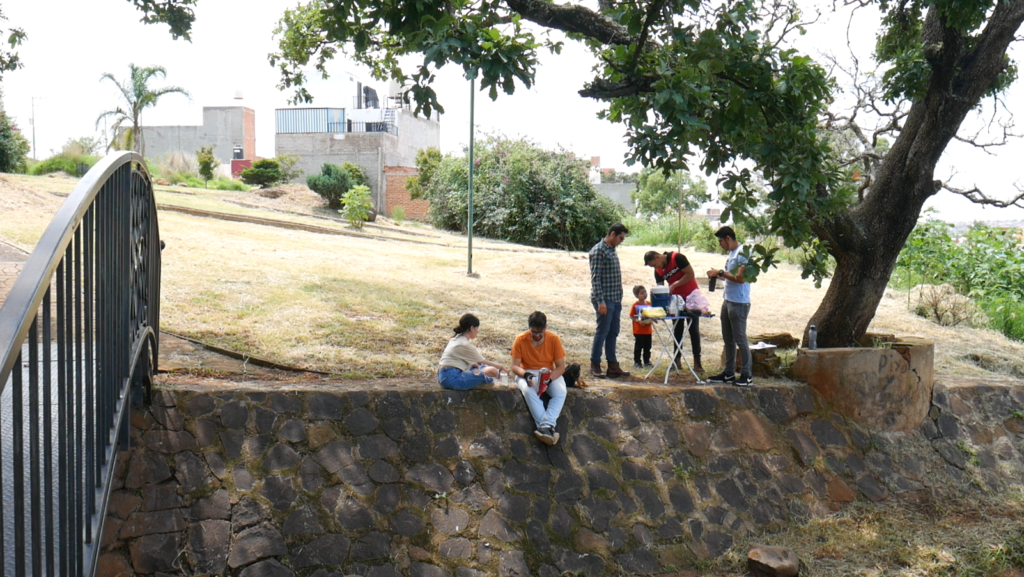
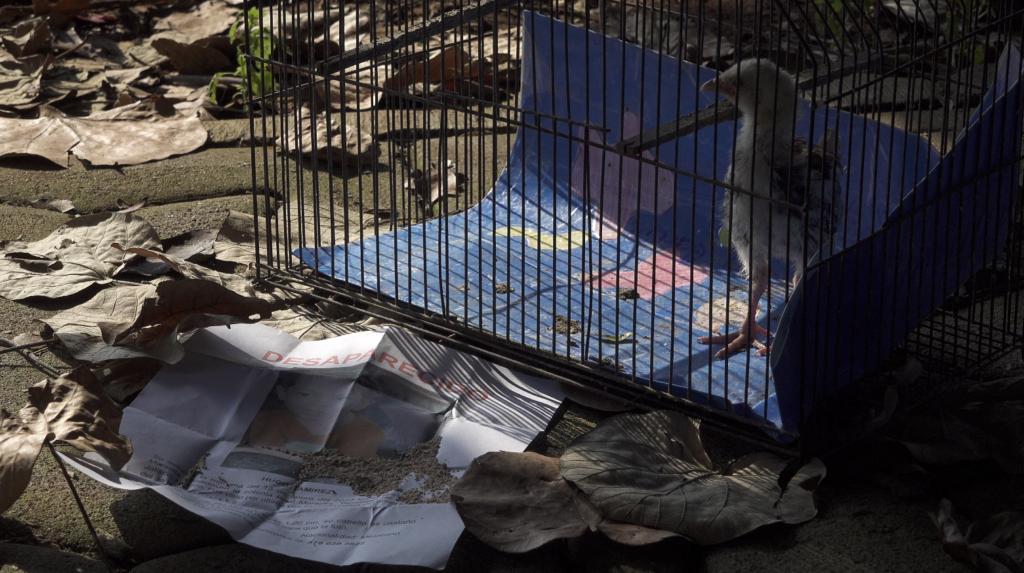
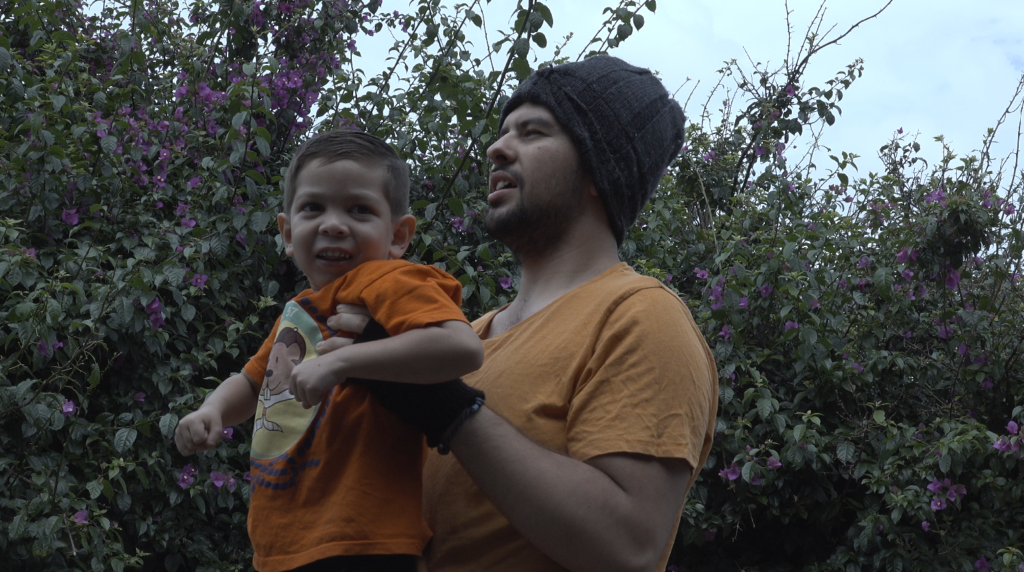
Fotogramas / Stills
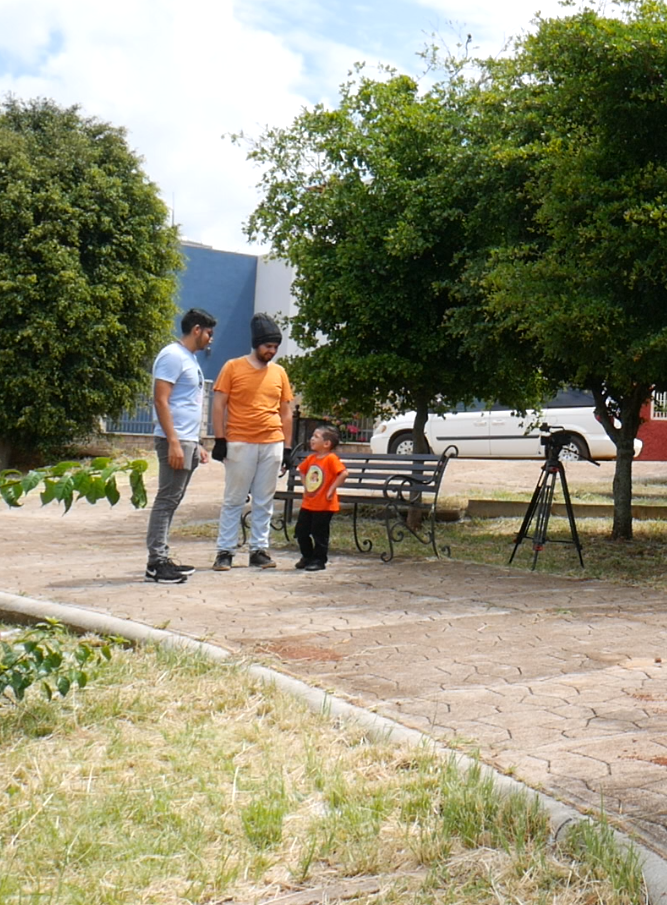
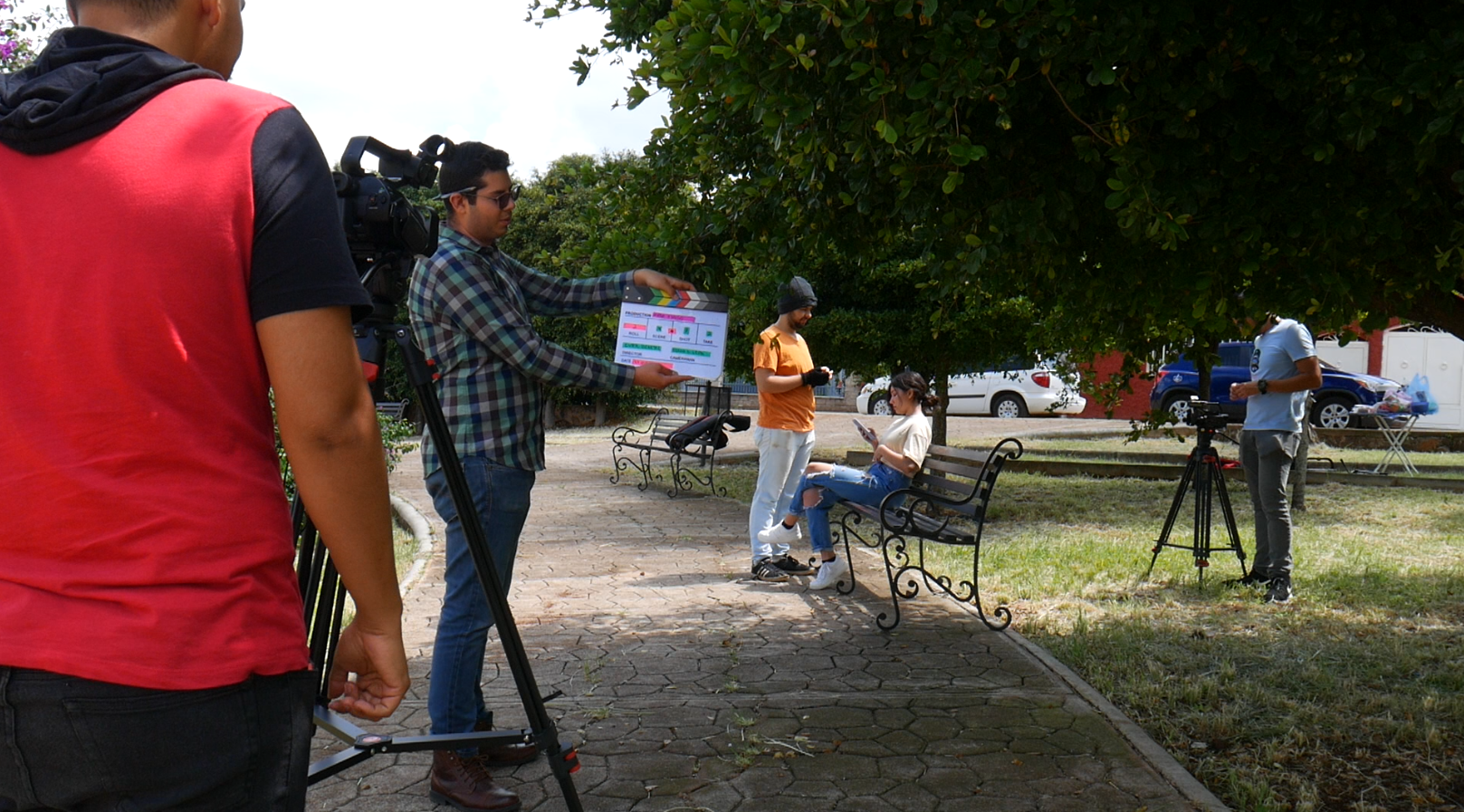
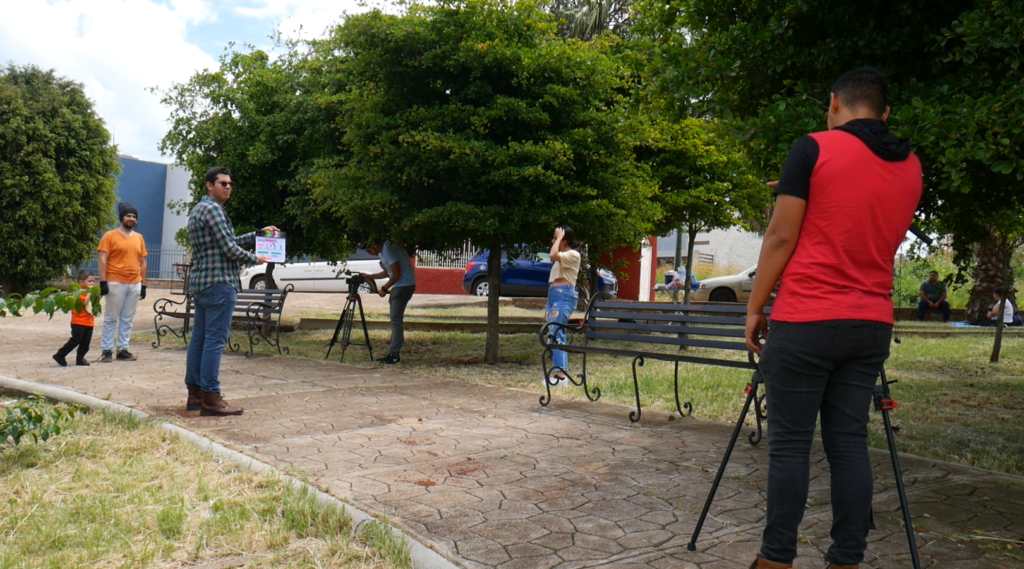
Crew / Equipo
Editor/Director | Edición y Dirección: Ever Benitez
First Assistant Director | Asistente de Dirección: Diego S. León, Wendy Sarmiento.
Continuous | Continuista: Wendy Sarmiento, Martha Miranda, Luis Rentería
Writer | Escritor: Ever Benitez
Art design | Diseño de Arte: Luis Rentería
Cinematography | Dir. Fotografía: Ever Benitez
Photography Assistant | Asistente de Fotografía: Obed Ramírez, Diego S. León
Ilumination | Iluminación: Diego S. León, Jonathan E. Llamas
Make-up | Maquillaje: Karen A. Galindo, Martha Miranda
Sound | Sonidista: Ever Benitez
Claquetist | Claquetista: Martha Miranda, Karen A. Galindo, Luis Rentería
EXTRAS
Joven 1: Wendy Sarmiento
Joven 2: Karen A. Galindo
Joven 3: Obed Ramírez
Joven 4: Martha Miranda
Joven 5: Diego S. León
Joven 6: Luis Rentería
Music / Música
For you, E por Anna Landstrom
Must be here (Melody) por Spectacles Wallet and Watch
Textures por Ever So Blue
Edless Desire (Melody) por Ruiqi Zhao
Ver cortometraje
Watch short film
Festivales / Festivals
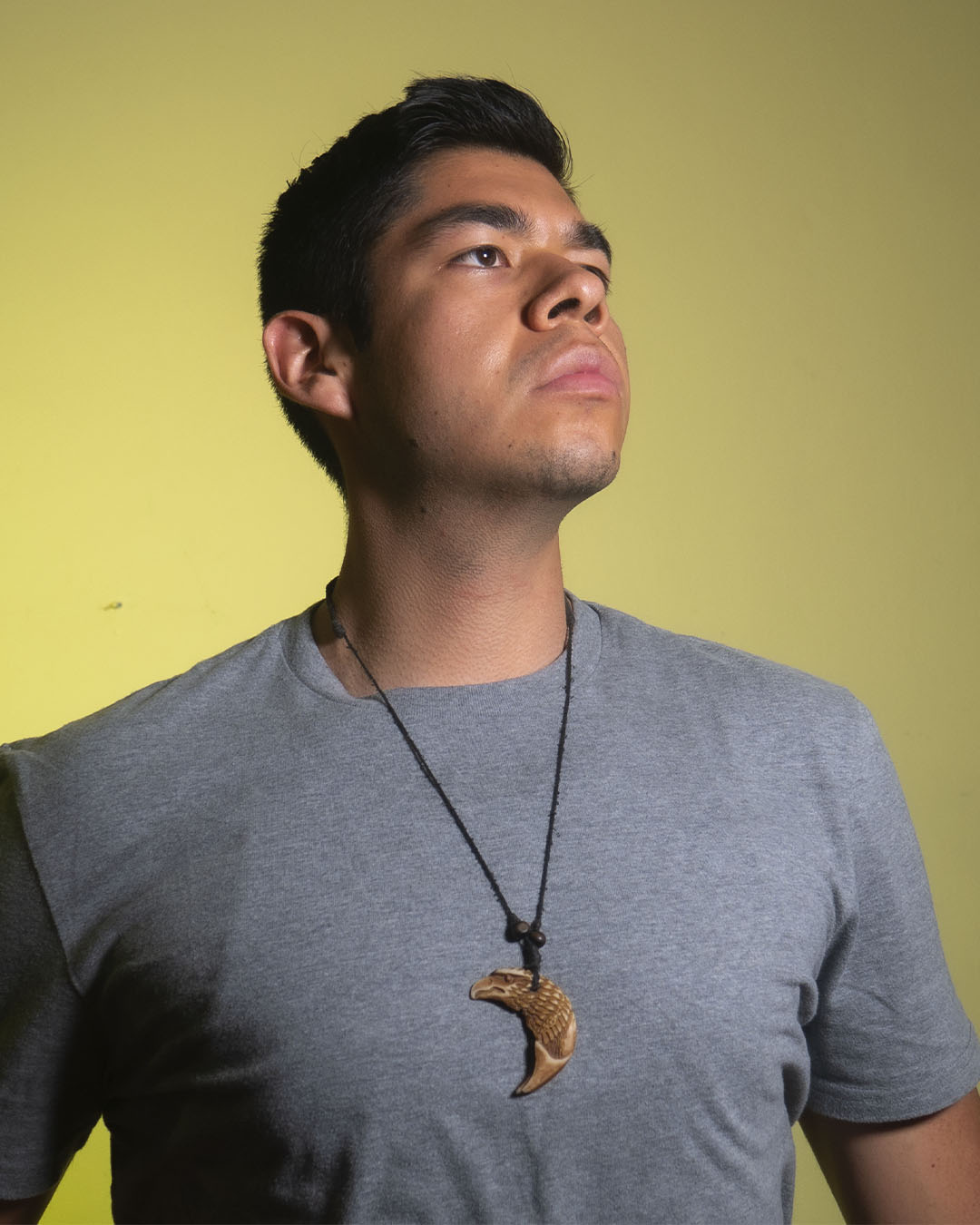
Notas del Director
El cortometraje explora una de las fracturas más dolorosas de la condición humana: la soledad absoluta frente a la desaparición. A menudo creemos que el mayor terror es perder la vida, pero existe un abismo más profundo y paralizante: el miedo a desaparecer sin dejar rastro y quedar atrapado en una realidad que el resto del mundo es incapaz de comprender.
Vivimos en una sociedad que voltea la mirada ante el dolor ajeno, prefiriendo la indiferencia a la empatía. “Mario y Hugo” nace durante mi intercambio estudiantil en Guayaquil, Ecuador —una ciudad fuertemente golpeada por la inseguridad—, viví un episodio donde estuve a punto de no contarla. Esa noche me asaltó un pensamiento que me heló la sangre: si el día de mañana no respondo el celular, ¿en dónde me buscaría mi familia? Esa angustia de imaginar a mis padres dando un giro de 360 grados a sus vidas se sumó a un suceso en Quito, donde ayudé a una anciana aterrada a buscar a su nieto perdido en una multitud. El niño se llamaba Hugo.
En 2022, atravesaba una batalla silenciosa contra la depresión. Me sentía aislado, habitando un mundo denso donde me sentía incomprendido; una realidad que para mí tenía todo el sentido, pero que desde afuera era invisible. Esa doble vertiente —el terror físico a la desaparición y el terror psicológico al aislamiento— es el dolor que busco retratar aquí.
Esta historia es mi forma de exteriorizar esa incomprensión. En la película, Mario encuentra un frágil huevo con una sonrisa dibujada y, en su demencia, asume la misión de ayudar a este “niño” a encontrar a sus padres. Así como yo luché internamente por darle sentido a mi entorno, Mario se aferra a Hugo, descubriendo al final que no está salvando a nadie más que a su propio reflejo fracturado.
El recorrido por el parque y el rechazo de los extraños son los rituales de esta desconexión. Conforme avanzan los días y la búsqueda fracasa, comprendemos que el dolor de Mario no nace de la locura, sino de una empatía desesperada. No se trata de un hombre jugando con un cascarón, sino del terror de darse cuenta de que él también es alguien a quien nadie está buscando.
A menudo preferimos ignorar a quienes caminan por las calles perdidos en sus mentes, asumiendo simplemente que han perdido la razón. Sin embargo, esta obra propone que, a veces, detrás de esa aparente locura se esconde el dolor de una ausencia irreparable.
"No se trata de la demencia de un vagabundo aferrado a un cascarón, sino de miles de familias que aún esperan ser encontradas".
Director’s Notes
The short film explores one of the most painful fractures of the human condition: absolute loneliness in the face of disappearance. We often believe that the greatest terror is losing one’s life, but there exists a deeper, more paralyzing abyss: the fear of disappearing without a trace and being trapped in a reality that the rest of the world is incapable of understanding.
We live in a society that looks away from the pain of others, preferring indifference over empathy. ‘Mario and Hugo’ was born during my student exchange in Guayaquil, Ecuador—a city heavily struck by insecurity—where I experienced an incident I almost didn’t live to tell about. That night, a blood-curdling thought struck me: if I don’t answer my phone tomorrow, where would my family look for me? That anguish of imagining my parents’ lives turned completely upside down was compounded by an event in Quito, where I helped a terrified elderly woman search for her grandson, who was lost in a crowd. The boy’s name was Hugo.
In 2022, I was fighting a silent battle with depression. I felt isolated, inhabiting a dense world where I felt misunderstood; a reality that made perfect sense to me, but was invisible from the outside. That dual nature—the physical terror of disappearance and the psychological terror of isolation—is the pain I seek to portray here.
This story is my way of externalizing that incomprehension. In the film, Mario finds a fragile egg with a drawn-on smile and, in his dementia, takes on the mission of helping this ‘boy’ find his parents. Just as I struggled internally to make sense of my surroundings, Mario clings to Hugo, discovering in the end that he is saving no one but his own fractured reflection.
The journey through the park and the rejection from strangers are the rituals of this disconnection. As the days pass and the search fails, we understand that Mario’s pain is born not from madness, but from a desperate empathy. It is not about a man playing with an eggshell, but about the terror of realizing that he, too, is someone nobody is looking for.
We often prefer to ignore those walking the streets lost in their own minds, simply assuming they have lost their reason. However, this work proposes that, sometimes, behind that apparent madness hides the pain of an irreparable absence.
"It is not about the dementia of a homeless man clinging to an eggshell, but about thousands of families still waiting to be found".