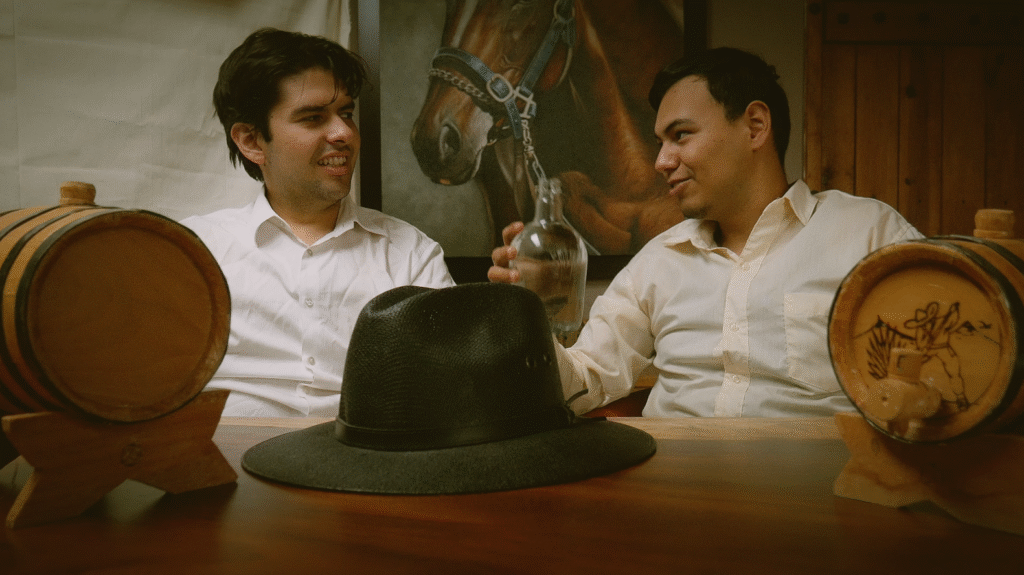
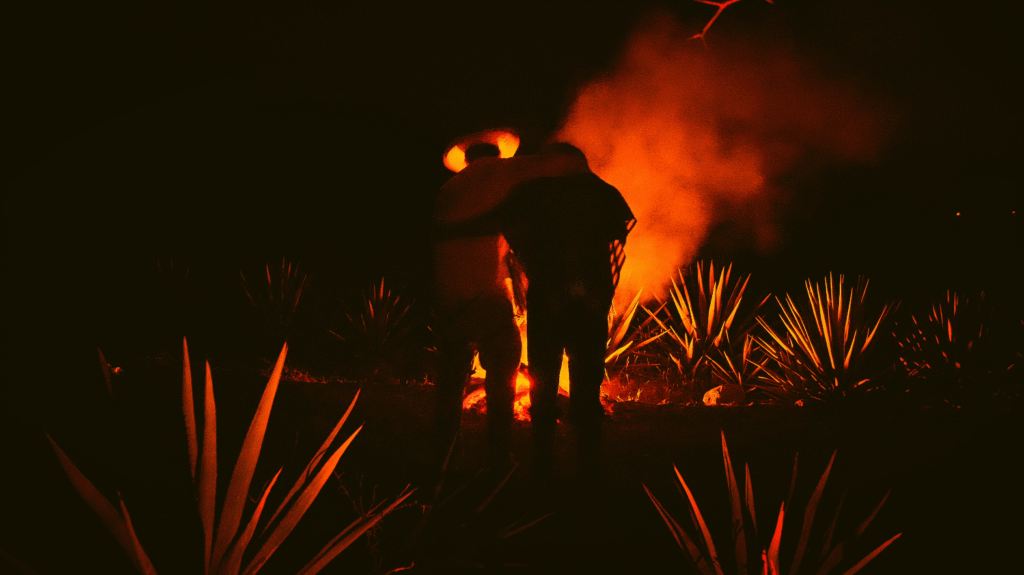
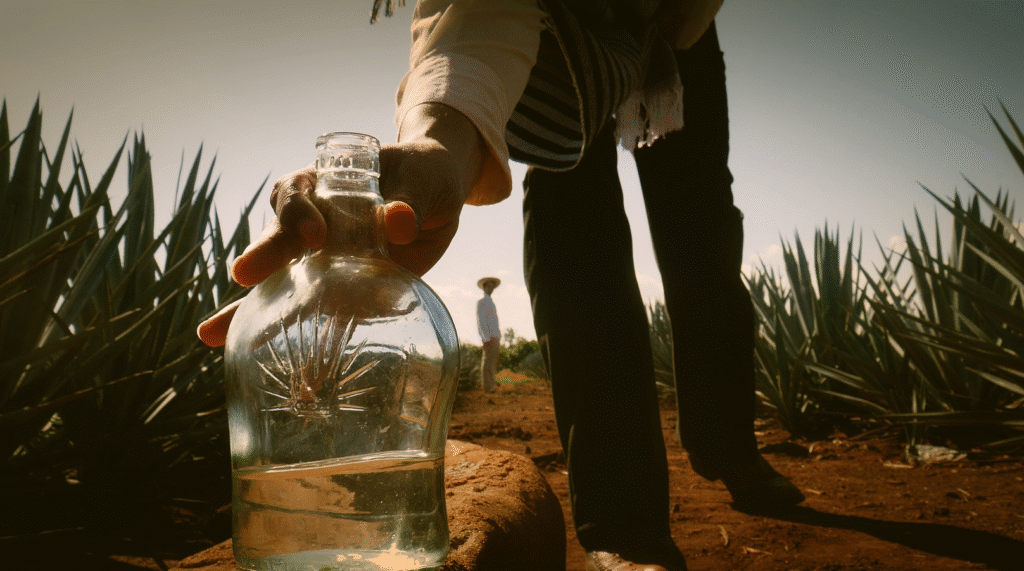
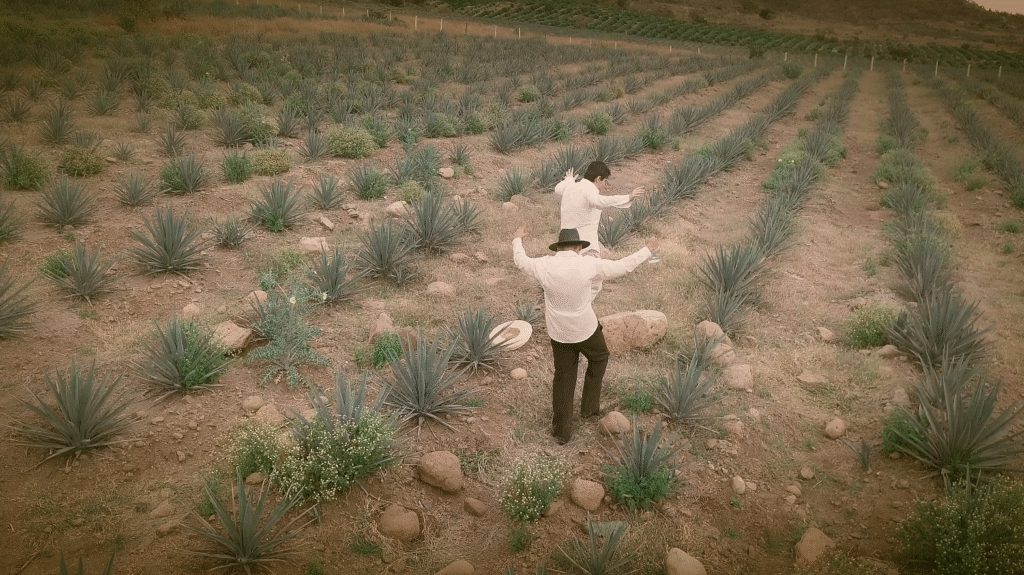
“Atraído por una fogata, un joven enfermo halla a un extraño que, mediante una botella de tequila, revive los recuerdos de una amistad eterna”.
“Drawn to a campfire, a sick young man encounters a stranger who, through a bottle of tequila, revives memories of an eternal friendship“.
Sinopsis
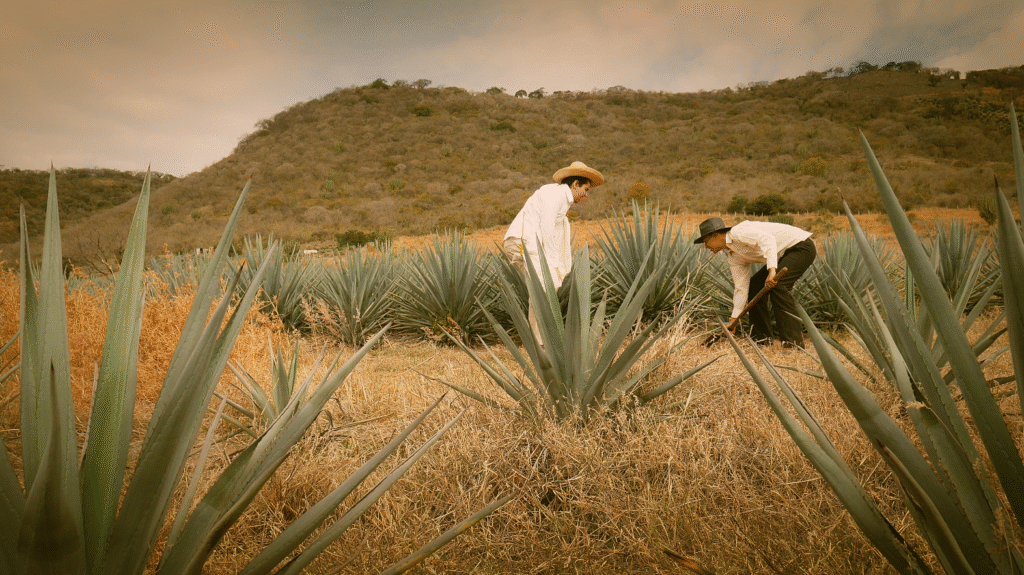
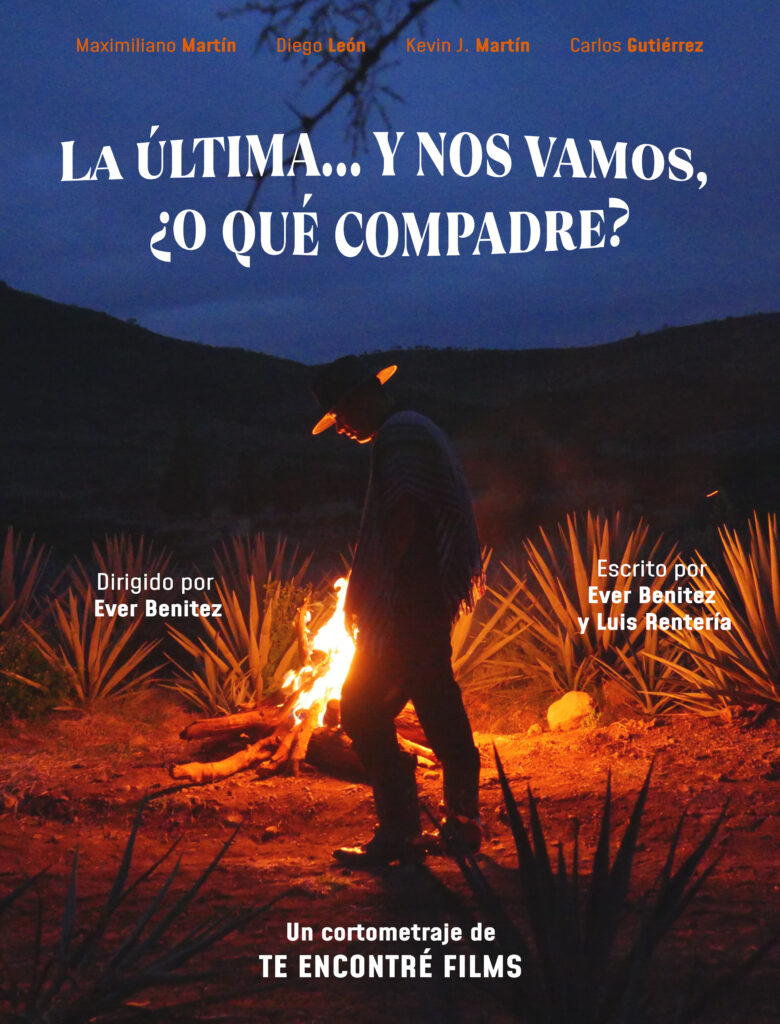
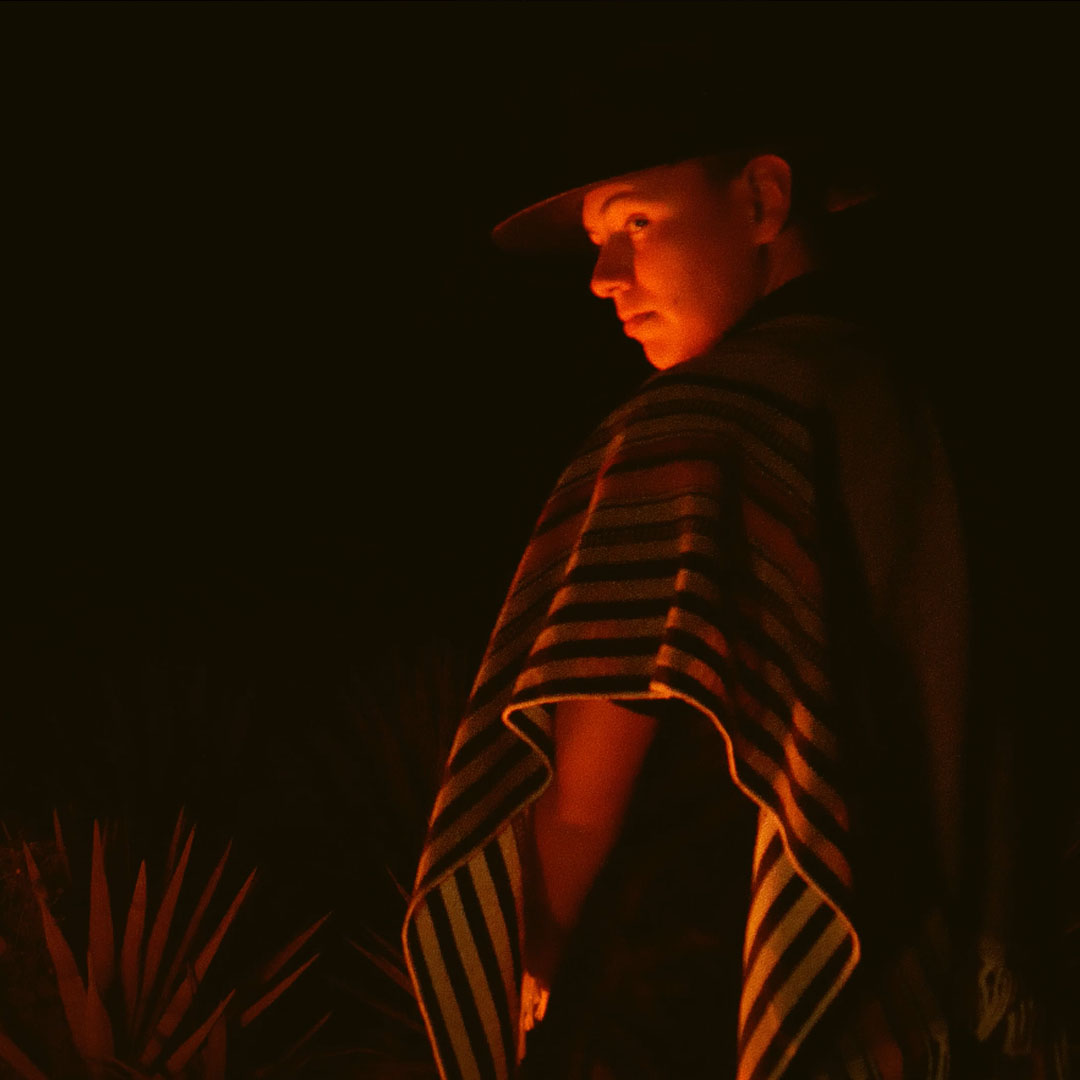
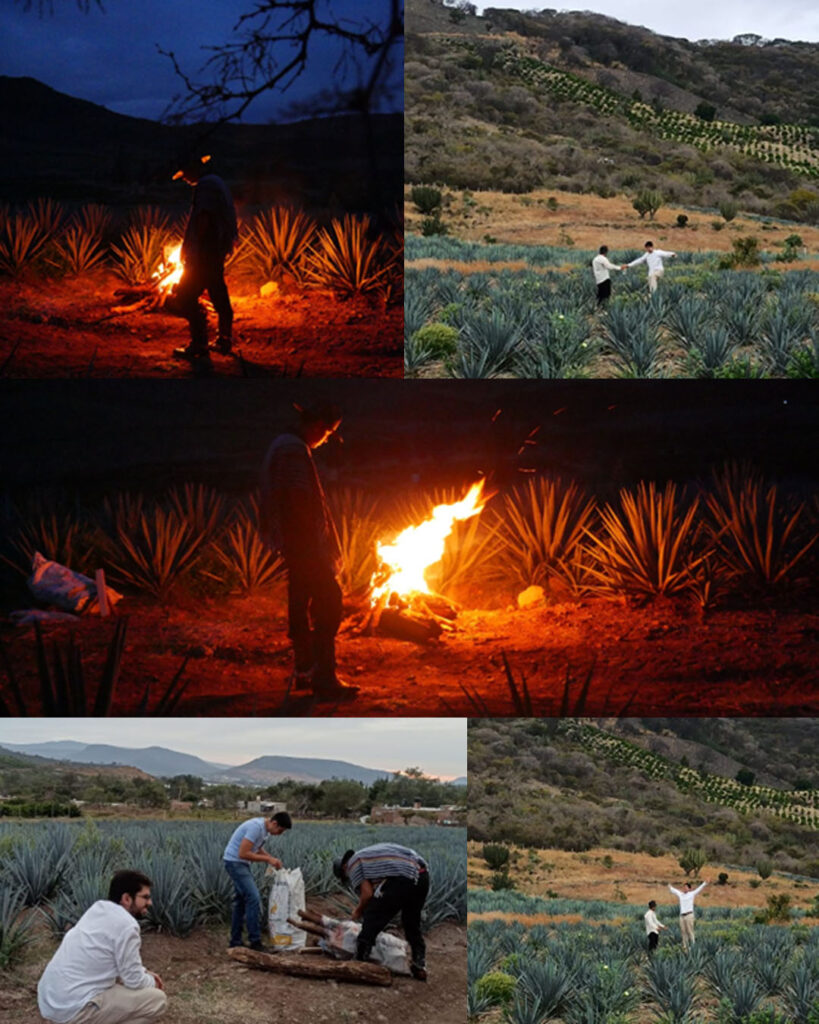
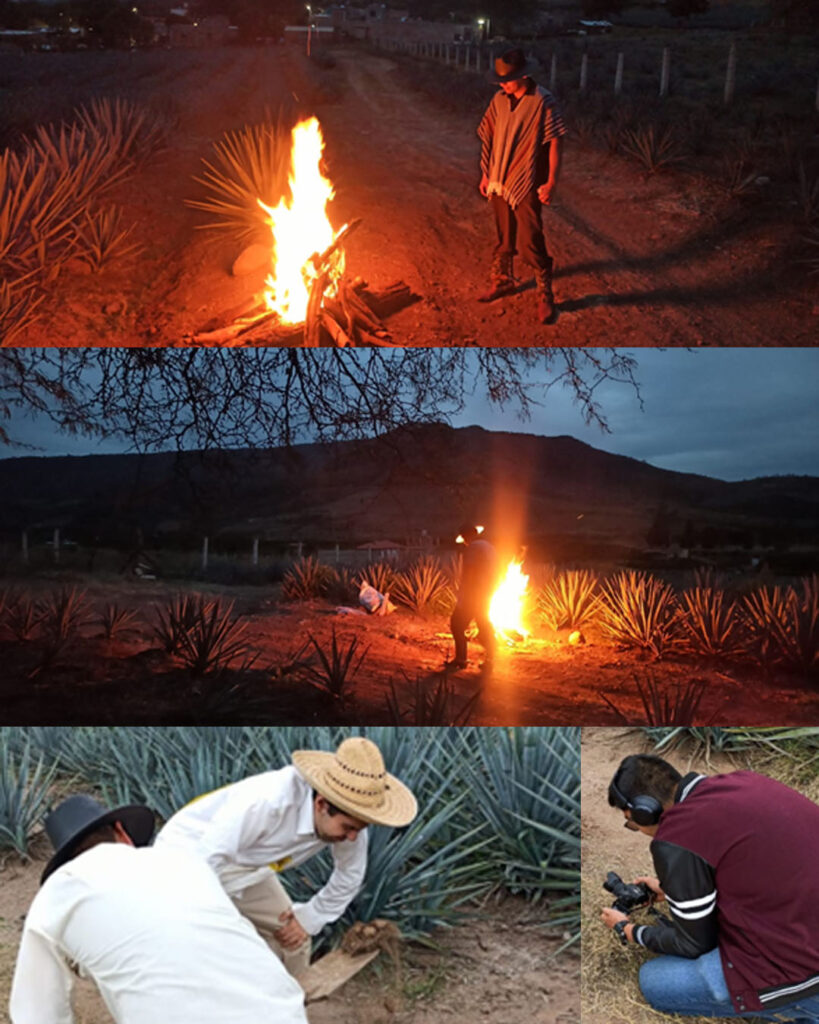
En medio de un campo de agave, RUBÉN (22), un joven enfermo y agotado, descansa bajo un árbol hasta que una luz rompe la noche. Al percatarse de una fogata encendida a unos metros, decide levantarse para averiguar quién es el hombre misterioso que le da la espalda frente al fuego.
Este encuentro no es casualidad: el extraño saca una botella de tequila que se convierte en la llave hacia el pasado. Juntos se embarcan en un viaje a través de los recuerdos compartidos, desafiando el olvido para responder a una única pregunta: ¿Podrá la amistad resistir el paso del tiempo?
Synopsis
In the middle of an agave field, RUBÉN (22), a sick and exhausted young man, rests under a tree until a light breaks the night. Spotting a bonfire burning a few meters away, he decides to rise and discover the identity of the mysterious man standing with his back to him before the fire.
This encounter is no coincidence: the stranger produces a bottle of tequila that becomes the key to the past. Together, they embark on a journey through shared memories, defying oblivion to answer a single question: Can friendship withstand the passage of time?
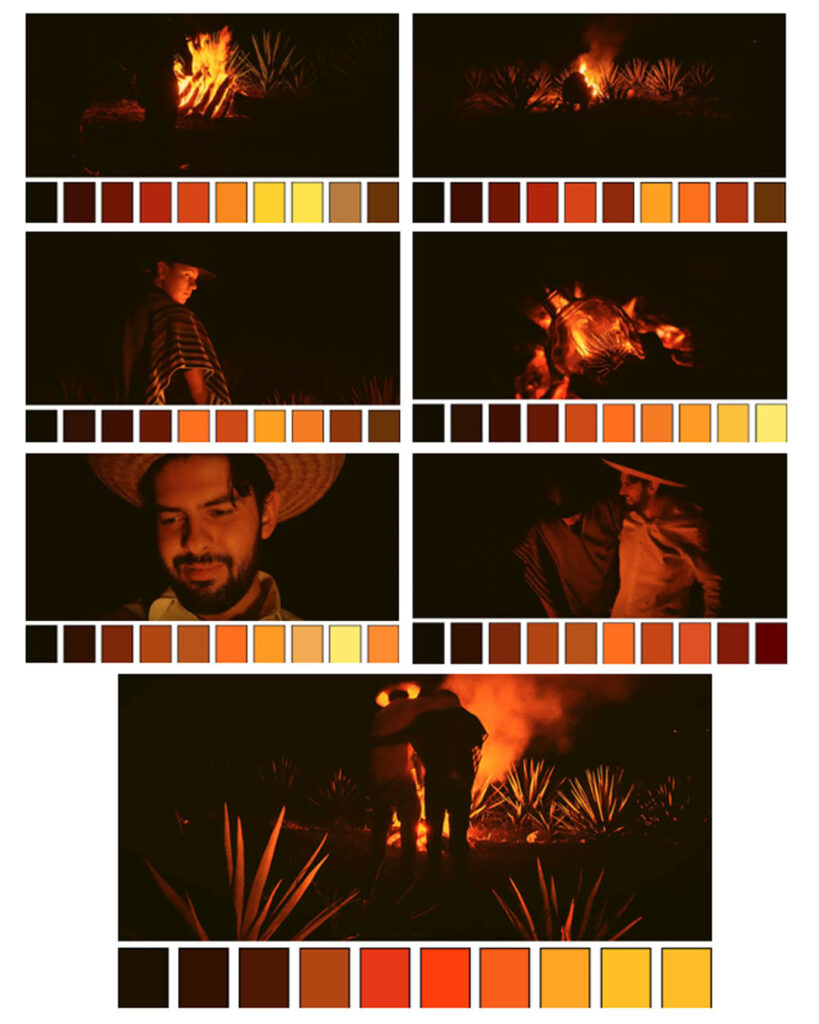
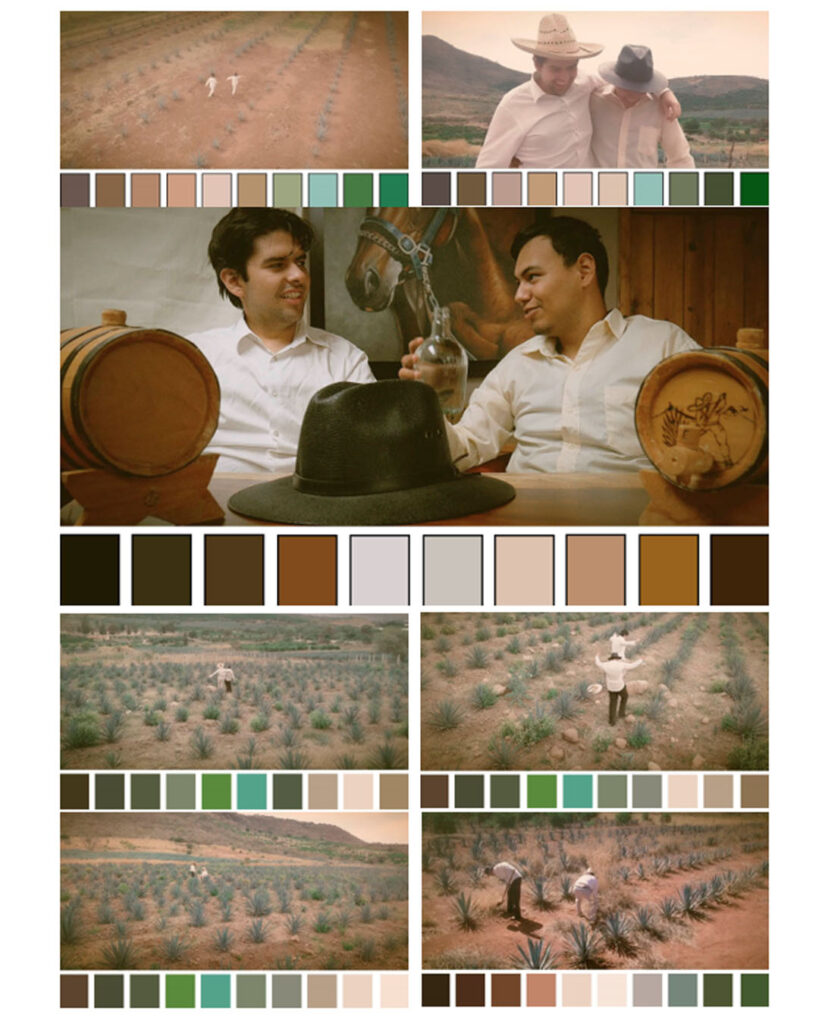
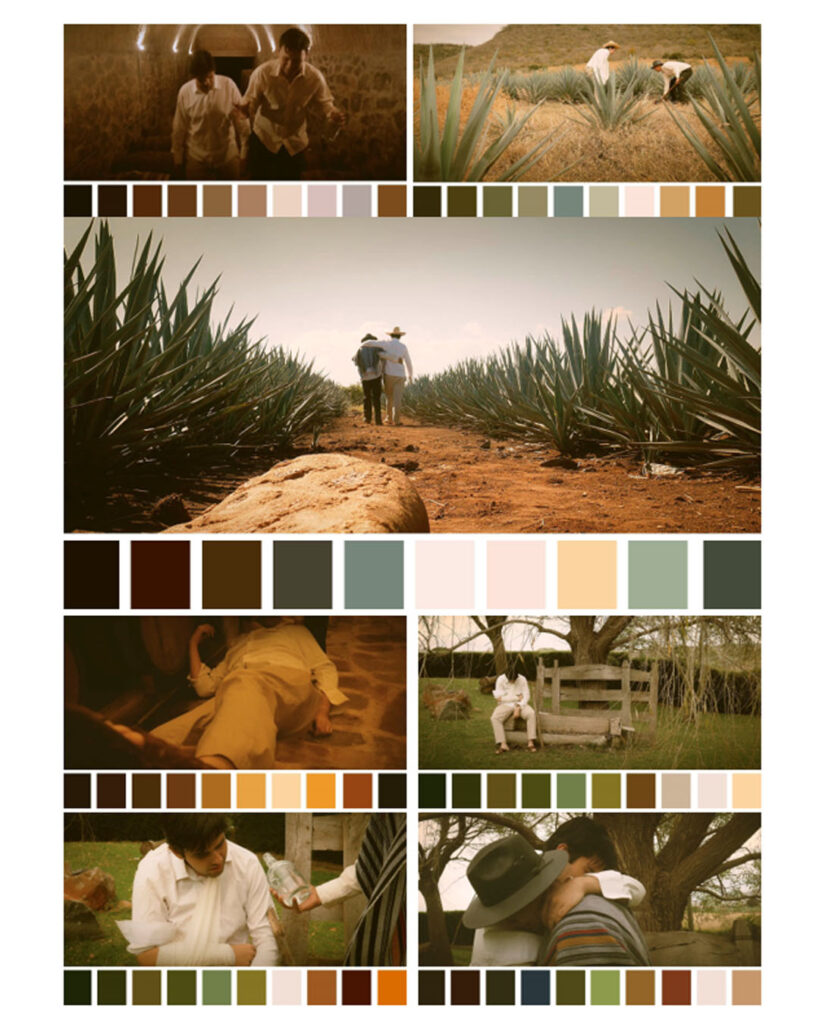
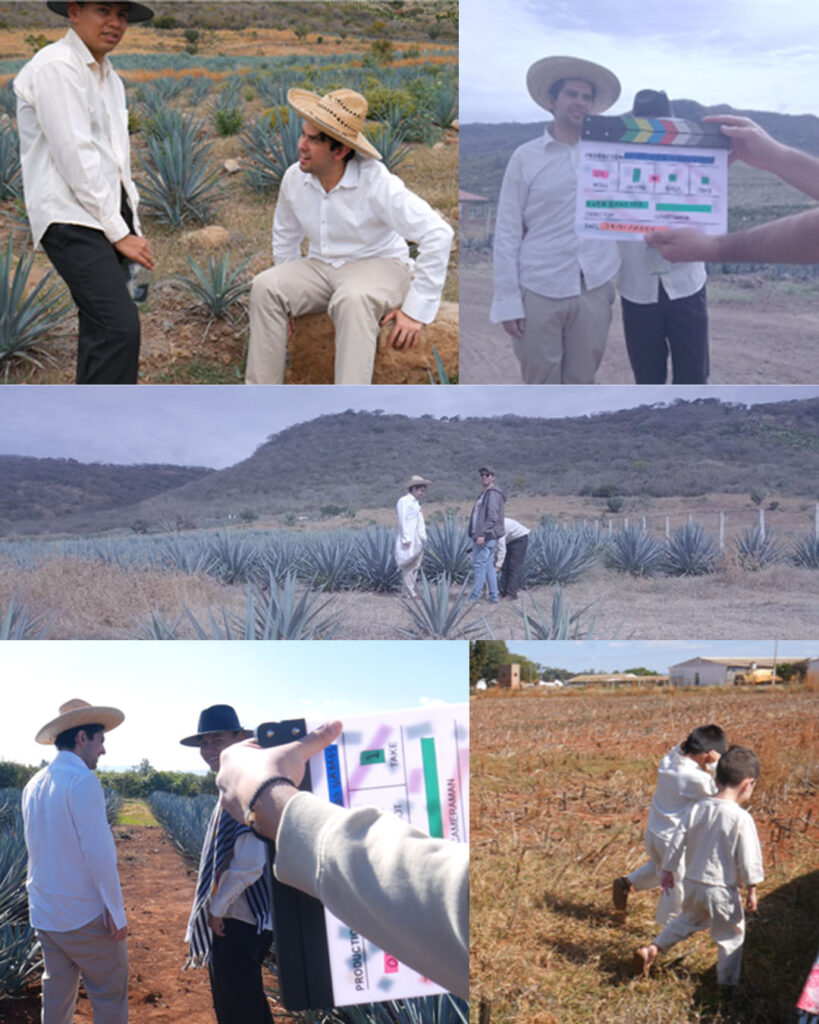
Fotogramas / Stills
Crew / Equipo
Director/Editor | Dirección y Edición: EVER BENITEZ
Writers | Guionistas: EVER BENITEZ, LUIS D. RENTERÍA
Assistant Director | Asistente de Dirección: LUIS D. RENTERÍA
Claquetist | Claquetista: LUIS D. RENTERÍA, DIEGO S. LEÓN
Sound | Sonido: DIEGO LEON, LUIS D. RENTERÍA
Cinematography | Director de Fotografía: MISTER DUXER
Cinematography Assistant | Asistente de Fotografía: DIEGO LEÓN, LUIS D. RENTERÍA
Acknowledgements | Agradecimientos: Fam.
Martín Castellanos,
Jesús Mendoza del Toro
Producer | Productora: TE ENCONTRÉ FILMS
Cast / Elenco
MIGUEL: DIEGO S. LEÓN
RUBÉN: CHARLY GUTRUV
MIGUEL (CHILD): MAXIMILIANO MARTÍN
RUBÉN (CHILD): KEVIN JOSÉ MARTÍN
Music / Música
Wind of the Mountains (Melody) - Palace on Wheels, We were Golden - Anna Landstrom
Festivales / Festivals
Notas del Director
El cortometraje explora la delgada línea entre el dolor de la ausencia y la paz de la gratitud. A Rubén, consumido por la enfermedad, le cuesta aceptar que su ciclo en este plano ha terminado. Le surge una resistencia que no viene del miedo a morir, sino del miedo a olvidar y ser olvidado; esa idea errónea de que la lealtad implica aferrarse hacia quien se fue.
Se nos dice que la muerte rompe los vínculos, lo cual, no estoy de acuerdo. Existe una conexión mayor que trasciende la vida física, pero exige un acto de fe: aceptar que la amistad no se mide en años, sino en la capacidad de acompañar, incluso cuando ya no se está presente físicamente.
“La última y nos vamos” nace de una ausencia y de un anhelo personal, la necesidad de decir “gracias” a quienes ya no están: la pérdida de un amigo de mi infancia. Cuando él falleció, me quedé con el silencio de no haberme podido despedir. Me atormentaba el “hubiera”, esa posibilidad fantasma de haberle dicho lo importante que fue para mí.
Esta historia es mi forma de materializar ese “hubiera”. Es el espacio que construí para despedirme. En la película, Rubén tiene la posibilidad de ver a Miguel una última vez, recordar y agradecer su compañía en el pasado. Así como yo encontré consuelo al entender que mis amigos me acompañan “en las buenas y en las peores”, Rubén descubre que Miguel no viene a revivirlo, sino a “sembrarlo” en la eternidad.
El tequila y la fogata son los rituales de esta transición. Conforme avanza la noche, Rubén comprende que debe soltar su bastón y su dolor físico para abrazar su nueva realidad. No se trata de morir con miedo, sino de irse con la certeza de que no está solo, de hecho, nunca lo estuvo porque hay compañías que nosotros las volvemos eternas por lo que significaron en nuestras vidas.
A menudo quisiéramos que nuestros amigos durarán para siempre. Sin embargo, esta obra propone que ya son eternos en esencia.
"No se trata de estar tristes porque se fueron, sino de sonreír y dar las gracias por lo vivido, permitiéndonos, finalmente, seguir nuestro camino —o nuestro último viaje— en paz".
Director’s Notes
The short film explores the thin line between the pain of absence and the peace of gratitude. Rubén, consumed by illness, struggles to accept that his cycle on this plane has ended. A resistance emerges within him that stems not from the fear of dying, but from the fear of forgetting and being forgotten—that mistaken belief that loyalty implies clinging to those who have departed.
We are told that death severs ties, something with which I disagree. There is a greater connection that transcends physical life, but it requires an act of faith: accepting that friendship is not measured in years, but in the capacity to accompany, even when one is no longer physically present.
‘One last one and we’re off… Or what, compadre?’ was born from an absence and a personal longing, the need to say ‘thank you’ to those who are no longer with us: the loss of a childhood friend. When he passed away, I was left with the silence of not having been able to say goodbye. I was tormented by the ‘what ifs’—that phantom possibility of having told him how important he was to me.
This story is my way of giving form to that ‘what if.’ It is the space I built to say goodbye. In the film, Rubén gets the chance to see Miguel one last time, to remember and thank him for his companionship in the past. Just as I found solace in understanding that my friends accompany me ‘through the best and worst of times,’ Rubén discovers that Miguel has not come to revive him, but to ‘sow’ him into eternity.
The tequila and the bonfire are the rituals of this transition. As the night progresses, Rubén realizes he must let go of his cane and his physical pain to embrace his new reality. It is not about dying with fear, but about departing with the certainty that he is not alone; in fact, he never was, because there are companionships that we make eternal simply by what they meant to our lives.
We often wish our friends could last forever. However, this work proposes that they are already eternal in essence.
"It is not about being sad because they are gone, but about smiling and giving thanks for what we experienced, finally allowing us to continue our path—or our final journey—in peace".